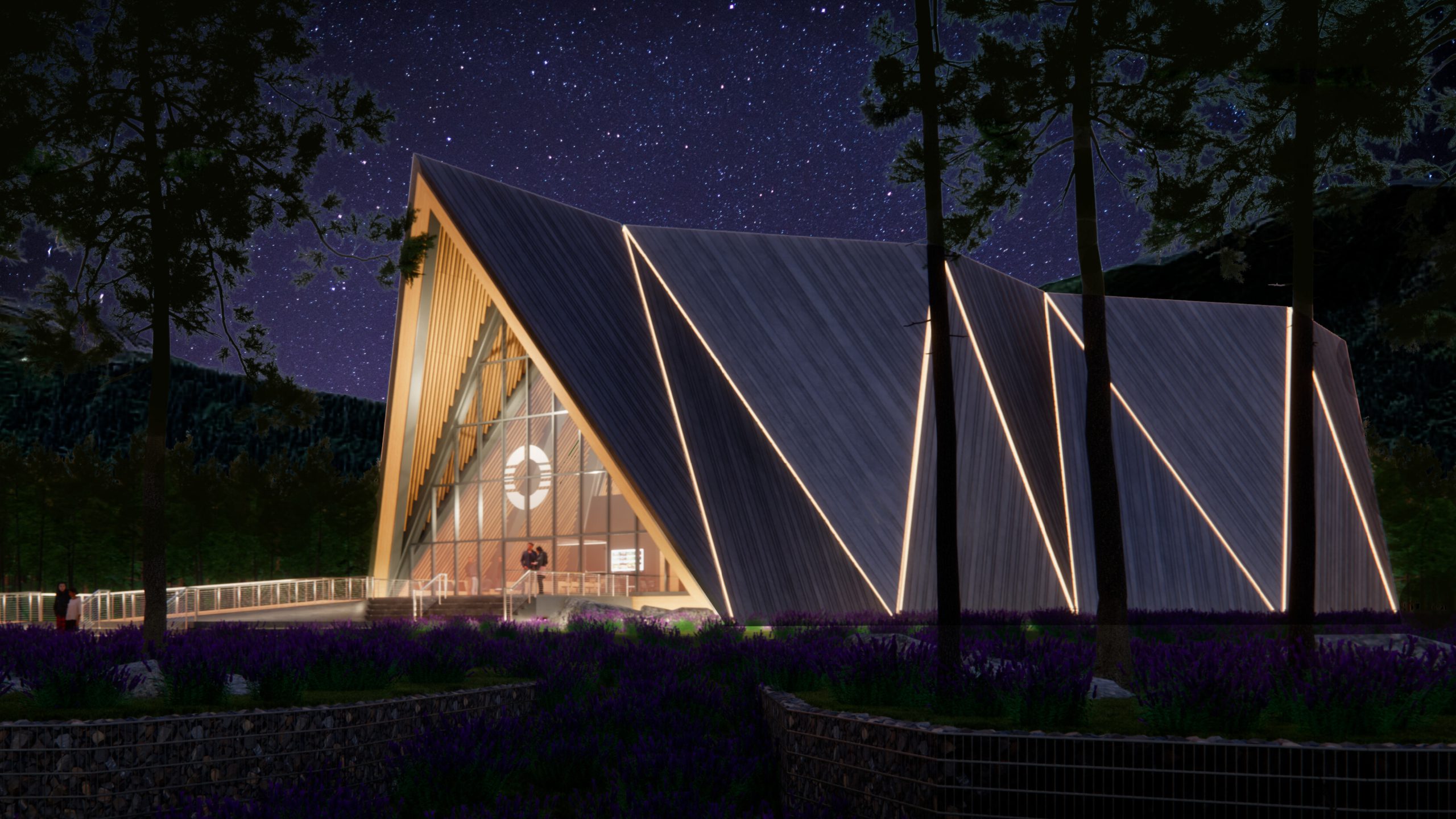

Oklo (NYSE: OKLO) is designing a small nuclear reactor that could change how we power the world. Or, at least, how artificial intelligence (AI) gets fed.
Indeed, with backing from Sam Altman and partnerships with several leading names in the AI data center space, Oklo is quickly emerging as a solution to one of AI’s biggest bottlenecks: keeping servers running when the power grid is already strained.
The downside, of course, is that Oklo doesn’t have a single reactor operating in the wild. It doesn’t even have regulatory approval to commercialize them. That makes the company’s current market cap of $12.5 billion seem staggeringly high for a business still years away from proving its economics.
Oklo is sitting on a trillion-dollar opportunity. Could it turn today’s investors into millionaires?
Oklo (OKLO +1.25%) is designing a small nuclear reactor that could change how we power the world. Or, at least, how artificial intelligence (AI) gets fed.
Indeed, with backing from Sam Altman and partnerships with several leading names in the AI data center space, Oklo is quickly emerging as a solution to one of AI’s biggest bottlenecks: keeping servers running when the power grid is already strained.
The downside, of course, is that Oklo doesn’t have a single reactor operating in the wild. It doesn’t even have regulatory approval to commercialize them. That makes the company’s current market cap of $12.5 billion seem staggeringly high for a business still years away from proving its economics.

Today’s Change
(1.25%) $0.90
Current Price
$72.73
But maybe Oklo’s current valuation is actually staggeringly cheap. Analysts at Bank of America (BAC 2.73%) recently estimated that nuclear energy could grow into a $10 trillion industry by 2050, with small modular reactors (SMRs) becoming “one of the most consequential energy technologies for the next 25 years.” If Oklo captured even 10% of that opportunity, it could grow into a trillion-dollar company within the next three decades.
Is that really possible? Could Oklo stock grow 100 times to set you up for life? Let’s take a closer look.
A tale of 2,000 reactors
Much of Oklo’s opportunity today comes from an uncomfortable mismatch: Electricity demands are rising much faster than the grid can handle, with more customers needing always-on power that traditional renewables simply can’t provide by themselves. If Oklo can turn its Aurora powerhouses from regulatory filings into operating reactors, the upside could be enormous.
According to global consulting services company ICF, the U.S. will need to add about 80 GW of new generation capacity each year from 2025 to 2045, which is roughly double the pace of the past five years. For Oklo, a small slice of that growth could translate into billions of dollars in annual revenue.
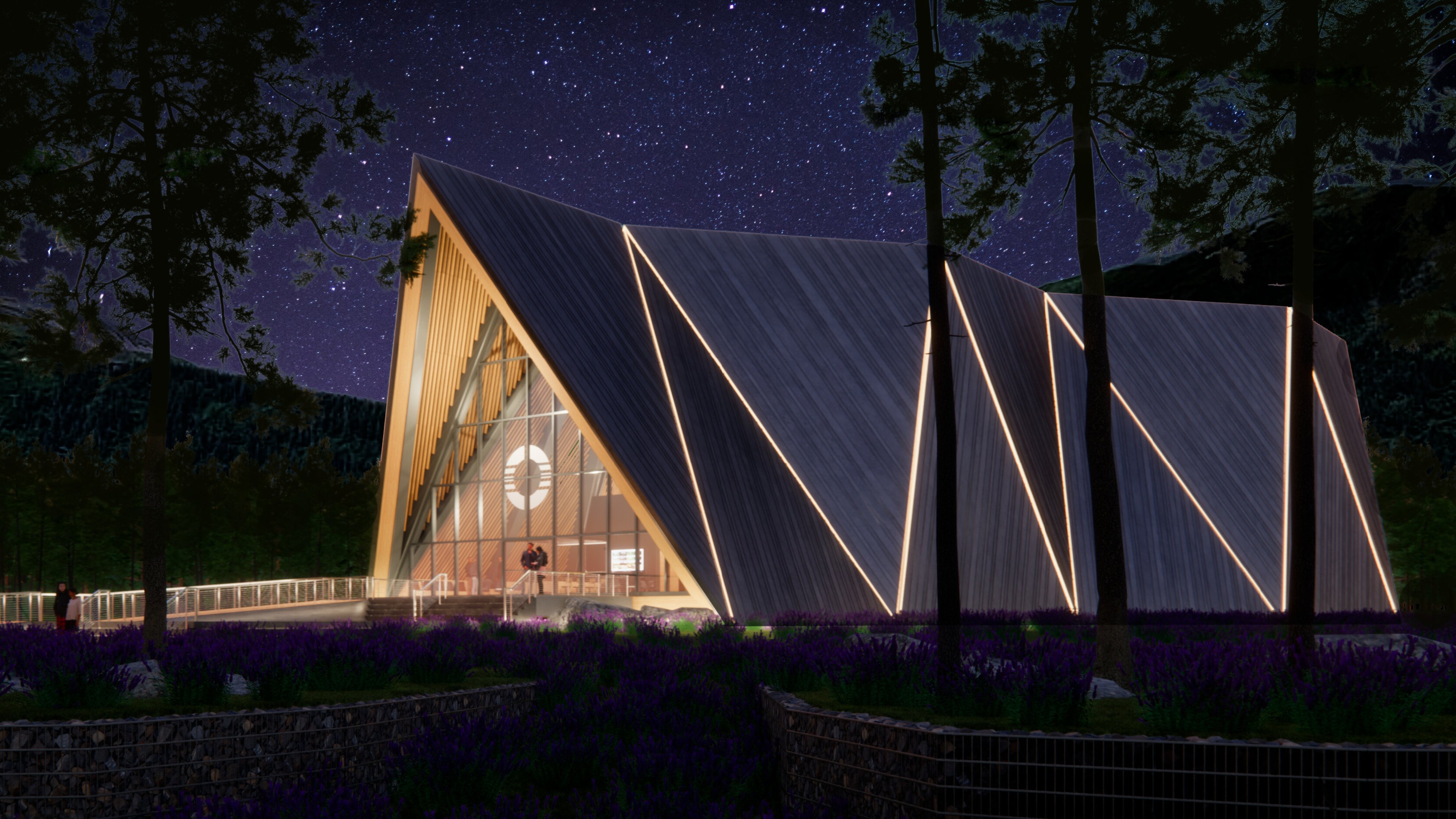
Image source: Oklo.
Here’s the math. Each Aurora powerhouse is expected to deliver between 15 and 75 megawatts electric (MWe). Using Oklo’s own estimated power price range of $40 to $90 per megawatt-hour (MWh), a full-sized 75 MWe powerhouse could theoretically generate between $26 million and $59 million in annual revenue, assuming it runs continuously at full capacity.
Let’s assume Oklo supplies 20% of that 80 GW annual build-out. That would equal roughly 213 full-sized powerhouses. If each one is generating about $59 million, then a fleet of 213 would generate about $12.6 billion in annual revenue, which is about how much the market is currently valuing Oklo stock.
Now let’s cut to the chase. For Oklo to truly generate life-changing wealth, the stock would need to grow 50- to 100-fold, which would push its market cap to roughly $625 billion to $1.25 trillion. At a multiple of 10 times sales, which isn’t atypical for a growing nuclear energy company, Oklo would need about 1,058 to 2,115 full-sized Aurora powerhouses operating at $90 MWh to support that trillion-dollar valuation.
Reality check: Oklo doesn’t even have a single operating reactor today.
Growing your reactor fleet from zero to 2,000 in 25 years would mean deploying an average of 80 reactors per year. That doesn’t take into account the fuel needed for those reactors, not to mention the capital, manufacturing capacity, labor, customer contracts, and operating expertise needed to keep that many reactors running safely.
If you have a long-term horizon, investing in Oklo could lead to tremendous upside. I doubt, however, that this stock alone will set you up for life.