When film costumes inspire fashion trends, what is lost from screen to real life?When film costumes inspire fashion trends, what is lost from screen to real life?
.jpg)
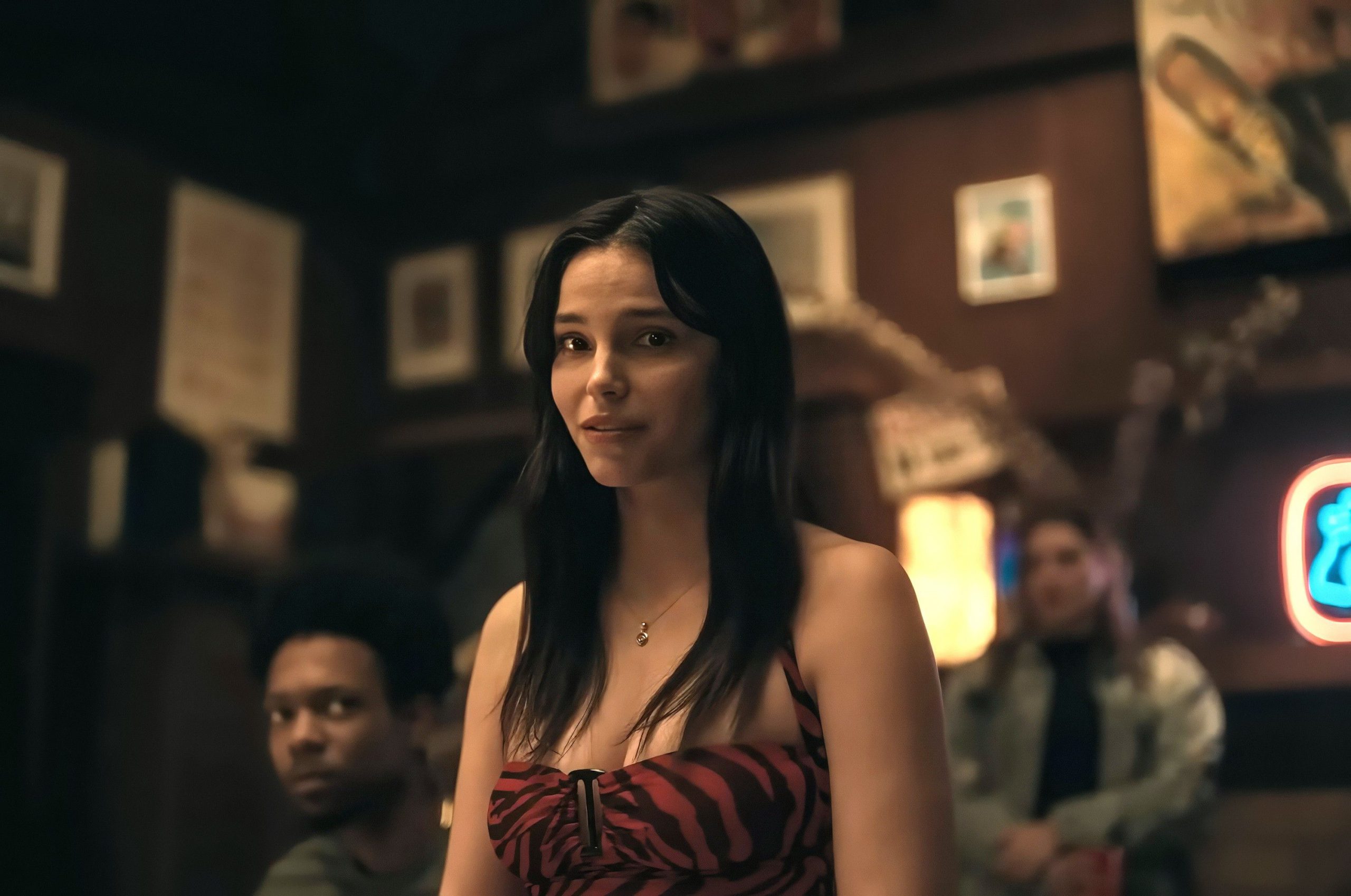
Did you buy a black cut-out mini bodycon dress inspired by Maddy Perez on Euphoria, a Barbie pink outfit, or a Carolyn Bessette-Kennedy-approved tortoiseshell headband? Lately, it seems that if there’s a fashion trend, there’s a movie or TV show behind it. The latest is the bloodiest: a red zebra-print halter top worn in this year’s breakout horror film, Obsession.
The outfit hails from online fast-fashion boutique Princess Polly and features a deep V-shaped bustier cut, low-back open-tie detailing in a fitted mesh fabric. In true trendsetting fashion, it’s been in and out of stock for the past two months—both in retail stores and online. To put the popularity into perspective, the demand prompted the brand to launch clothing pre-sales for the first time in its history. The waitlist still grew to over 27,000.
TikTok has been brimming with unboxing videos and fan declarations that the character Nikki, who sports the famous red top, will be the Halloween costume of the season. Resellers have played a role in the demand, marking up the halter for over $100 on sites like Depop and Poshmark. One seller has it listed for $150—a 200% price increase for a top that originally cost $49. Even Princess Polly is savvily playing into the hype: “Looking for Nikki’s top in the Obsession movie?” the description reads. “This is the viral party top you’ve been wishing would come back.”
With this horror flick becoming a genuine phenomenon—surpassing a reported $400 million in box-office sales—it makes sense that consumers would want to engage with it. But the top is not some costuming throwaway; it was a symbol of Nikki’s terrifying desperation. What happens when it becomes a mere fashion trend?

When we first meet Nikki, she’s grungy and boot-clad, but that look shifts to something more domesticated; it’s around the halfway mark, the viral top appears, just as Nikki’s erratic behavior makes clear the utterly bleak situation she’s in. “The party scene called for a different aesthetic,” James explains. “I wanted it to feel very jarring so when you think back to that first scene, you’re like, This is not the same girl.”
While there’s nothing inherently wrong with wanting to own statement pieces from our favorite films, the rise of micro-trends has changed the way we interact with media—namely, the speed at which trends develop now means clothes can be divorced from the contexts from which they originated. And with the cyclical nature of trends happening faster and faster these days—4.4 times faster than they were seven years ago per internal data from Pinterest—our participation in these culture-gripping phenomena becomes more passive.
“There is a very thin line between observing and consuming, and social media is the catalyst blurring those lines,” says Judith Omoregie, a TikTok creator and fashion commentator. “Any trend can start with great intentions, but as it gets co-opted, it gets diluted.”
This is hardly new, and scream queens, in particular, are often left to the whims of the internet. Katia Stano’s costume design for Jennifer’s Body was intended to explore female rage from a desexualized angle—the more sinister Jennifer got, the more feminine she was dressed—but nearly 17 years later, her sartorial prowess has been flattened into sexual stereotypes. Rosana Norton’s satin blush prom dress in Carrie, meanwhile, endured a similar fate; internet-fueled Halloween costumes now supersede a nuanced portrait of teenage desperation.
“There’s been a really long history of people being inspired by the clothing of real and fictional people who have done bad things or had bad things done to them,” says Laura McLaws Helms, a fashion and cultural historian. “We have this innate ability to push aside those moral qualms.” Obsession’s story, like Carrie and Jennifer’s Body before it, is merely the latest trade-off.
There’s nothing wrong with wanting to own on-screen fashion. Something is refreshing about audiences emotionally connecting to a character through their wardrobe. But as crowds flock to buy the Obsession top, or partake in any other trend or film-inspired look, for that matter, we should consider the contexts from which it came. Lest it fall into that same intention-less cycle.