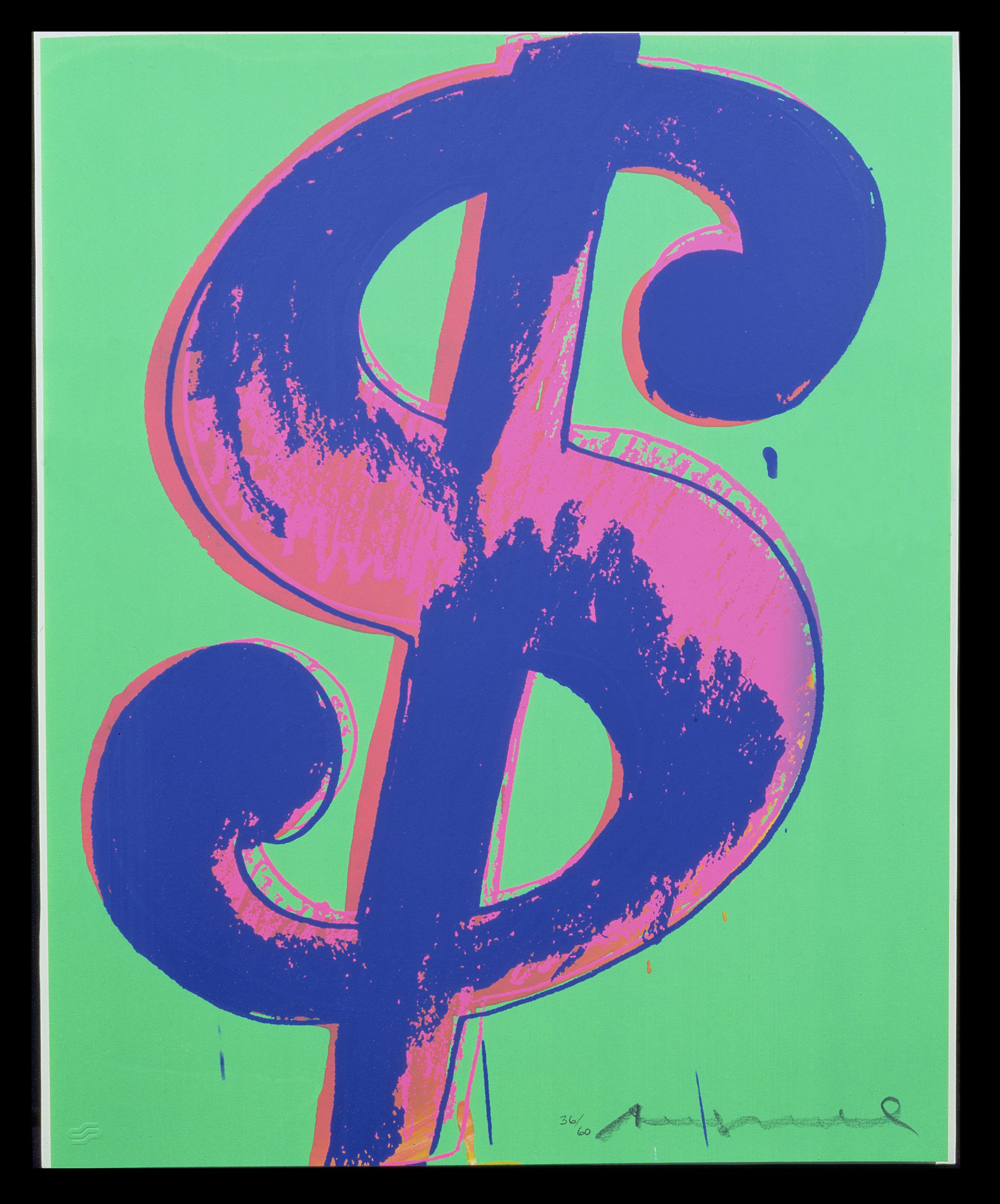
“If you make a lot of money when you are young and an artist you are never really forgiven.”“If you make a lot of money when you are young and an artist you are never really forgiven.”

“Unfortunate Son,” by Bret Easton Ellis, was originally published in the April 1995 issue of Vogue.
For more of the best from Vogue’s archive, sign up for our Nostalgia newsletter here.
The men in my family (my grandfather and his son, my father, both deceased) prided themselves on making money. My grandfather owned casinos in Nevada; my father made the bulk of his money in highly speculative real estate deals during the Reagan years. Money and the amount of it made was how these men defined themselves. And they often felt that money excused almost any kind of behavior, that the freedom money brought them entitled them to carry out a litany of abuse: alcoholism, infidelity, spousal battery, megalomania, random carelessness, and an emotional indifference on a scale that as a young man I thought was massive and impressive, but now, at 30, I see as weak, more pathetic than gigantic.
As a result I became skeptical and often horrified by not only how money can shape a life but also how it can, depending on one’s emotional stability, alter an entire personality. My father could not comprehend how anyone would see things this way because money was a fact, something hard and tangible, a truth, but one that I found so abstract that when my father wanted me to attend business school at U.S.C. and I was intent on leaving Los Angeles to attend, of all things, an art school, a rift grew between us that was ultimately never resolved.
People have a deeply ambivalent attitude toward money until they make a lot of it, and if you make a lot of it as an artist, which is usually an accident (luck, fate, current tastes, the mood of the public), you are almost always considered by others with suspicion, awe, jealousy, the object of undeserved hatred or attraction. If you make a lot of money when you are young and an artist you are never really forgiven. And if you are forgiven it’s usually by the wrong people for totally suspect reasons.
If you make a lot of money when you’re fairly young (during this period I was, absurdly enough, in my early 20s) and if you make it as a writer, you fall under the assumption that you will always be making this kind of money and so you can spend it without worrying about the future. There will always be fat advances, film deals, best-sellers. When you are 23 you can laugh when your recently hired accountant calls you at tax time and, after adding up a boxful of receipts for tax-deduction purposes, asks you nervously, hopefully, if Nell’s is a charity organization. At 23, taking ten, twelve, fifteen people (friends, new friends, groupies, strangers) out to dinner in Manhattan doesn’t seem like a big deal; in fact it seems like a “good idea.” I bought an apartment not fully comprehending the property-tax situation at the time (though even if I had, it wouldn’t have stopped me from closing). I identified with Charlie Sheen in Wall Street. I threw catered parties in the new apartment for absolutely no reason. I developed a debilitating fear of flying that caused me to take Amtrak cross-country (the odds against a plane crash were enormous, but so were the odds of my having a bestseller at 21, so odds stopped having any meaning to me). I made a will. Friends said I changed even though I hadn’t. I lied less.
To say that making the sort of money I was making at such a relatively young age (though in the New York of the late eighties everyone seemed to be making money—the city reeked of well-dressed young men and women making small fortunes) harmed me in any way would be the kind of self-pitying admission that writers often love to make. And I’m tempted. But the only real damage (besides dredging up the vast reserves of false modesty you must show in front of friends who are struggling as artists and haven’t “made it” yet) is that it can make you lazy, and instead of writing, you can end up walking around that new apartment in a daze, muttering quotes from Flaubert, hoping to reassure yourself: that one must live like a bourgeois in order to write like a revolutionary, etc., etc. But, in the end, I never really felt that dictum applied to me anyway (it was too late—I had always been bourgeois), so I shrugged it off and took some more people out to dinner.
Even though I had spent most of the money from the first book, people assumed I was still rich even though I wasn’t. Taxes took about half of what I had made; an agent took another 10 percent. I lived in New York City, even though my nervous accountant begged me to move back to California, Nevada, Connecticut, anywhere but Manhattan. And he had reason to worry because even though I continued to support myself and make a living as a writer, soon I found I could no longer take ten or twelve or fifteen people out to dinner or pick up the tab for 30 at Nell’s or throw catered parties on a whim (“Because it’s Thursday!”) in the new apartment—there simply wasn’t enough money anymore. I had spent it.
And unlike my father I was relieved when I realized I couldn’t live a certain way anymore. The pressure was off. A month before he died, my mother told me—and this was not unusual for him— my father had called her from New York after I had attended, along with eight others, dinner at Petrossian, where he drunkenly insisted on picking up the check, which was $5,000. He cried from his bed in his suite at the Carlyle to my mother about this. They had been separated for six years. Like everyone else I became more careful about money but also much less ambivalent.
My father was also less ambivalent about money, but he was always staggeringly casual. In his will my father left me nothing except for two watches. What was left of his estate went to the IRS, most of it due to back taxes that he thought tax shelters would protect but didn’t. There wasn’t anything left even though in the last ten years he had made an amount somewhere in the low eight figures. My father’s carelessness didn’t particularly endear him toward me in any way, but I understood him better somehow even though it discouraged me to think we had this one trait in common. I took this as a lesson about money—an inadvertent one, but those are the ones that are most revelatory.