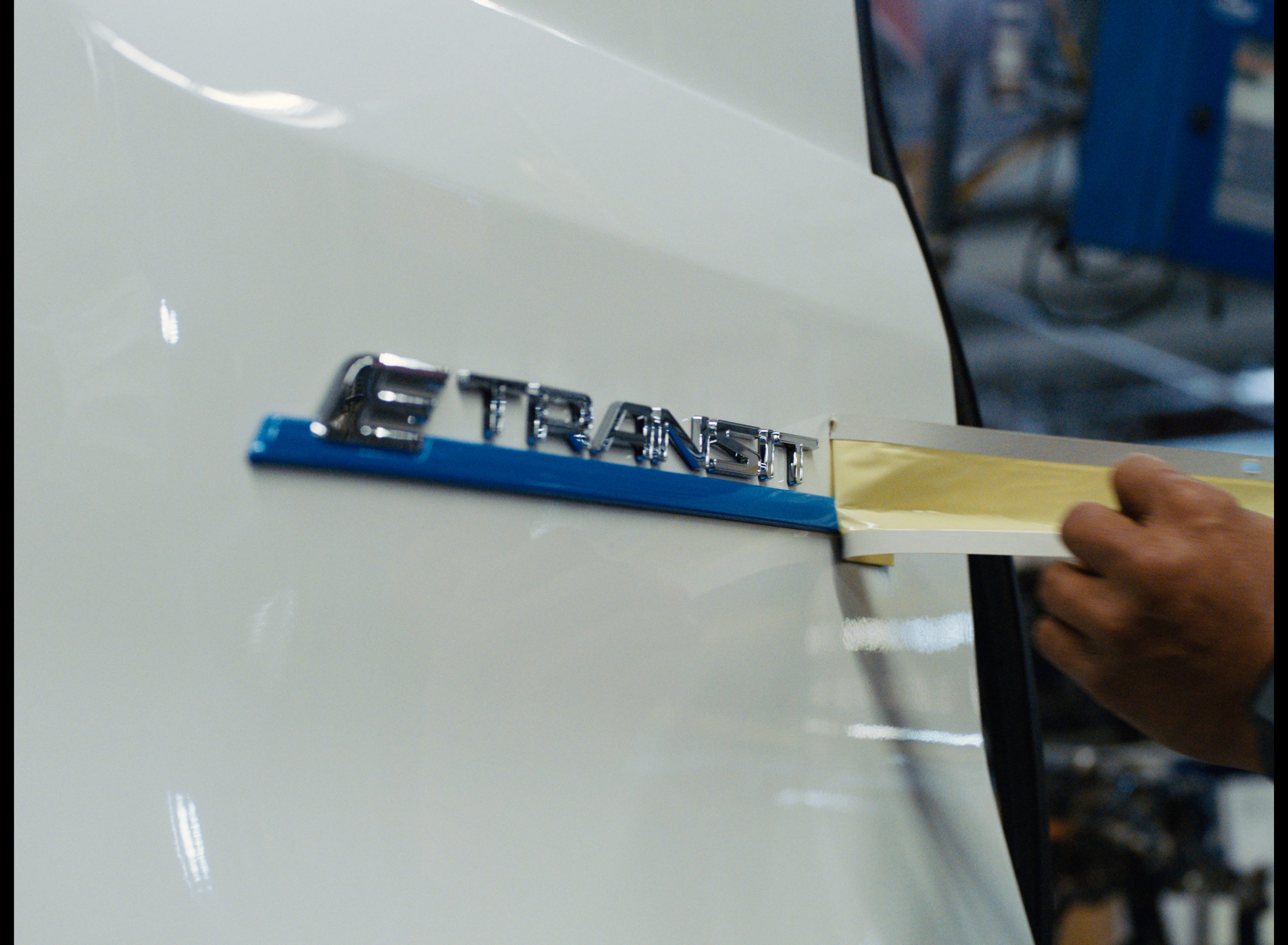

By now, investors have likely heard that the rise of Chinese automotive manufacturing is very real. While tariffs on imported vehicles and parts are protecting domestic automakers such as Ford Motor Company (NYSE: F) in America, Ford is facing a battle in Europe. Chinese autos roughly doubled their European passenger car market share to 6% last year, and they’ve already bolstered that to 9.4% by March 2026. But now the Chinese automakers are targeting a new segment, one that’s critically important to Ford.
While many investors think of Ford’s traditional vehicle sales as its core business — and it is — Ford Pro, the company’s commercial vehicle division, has been its best-kept secret in recent years. In fact, for 2026, Ford Pro guidance is to generate $6.5 billion to $7.5 billion in earnings before interest and taxes (EBIT) compared to Ford Blue’s $4.5 billion to $5 billion EBIT, and obviously ahead of its Model e division’s $4 billion to $4.5 billion EBIT loss.
Image source: Ford Motor Company.
If you can’t beat ’em, join ’em. That’s exactly how Ford is viewing its newest threat to a big money-maker in Europe.
By now, investors have likely heard that the rise of Chinese automotive manufacturing is very real. While tariffs on imported vehicles and parts are protecting domestic automakers such as Ford Motor Company (F +1.15%) in America, Ford is facing a battle in Europe. Chinese autos roughly doubled their European passenger car market share to 6% last year, and they’ve already bolstered that to 9.4% by March 2026. But now the Chinese automakers are targeting a new segment, one that’s critically important to Ford.
Best-kept secret
While many investors think of Ford’s traditional vehicle sales as its core business — and it is — Ford Pro, the company’s commercial vehicle division, has been its best-kept secret in recent years. In fact, for 2026, Ford Pro guidance is to generate $6.5 billion to $7.5 billion in earnings before interest and taxes (EBIT) compared to Ford Blue’s $4.5 billion to $5 billion EBIT, and obviously ahead of its Model e division’s $4 billion to $4.5 billion EBIT loss.
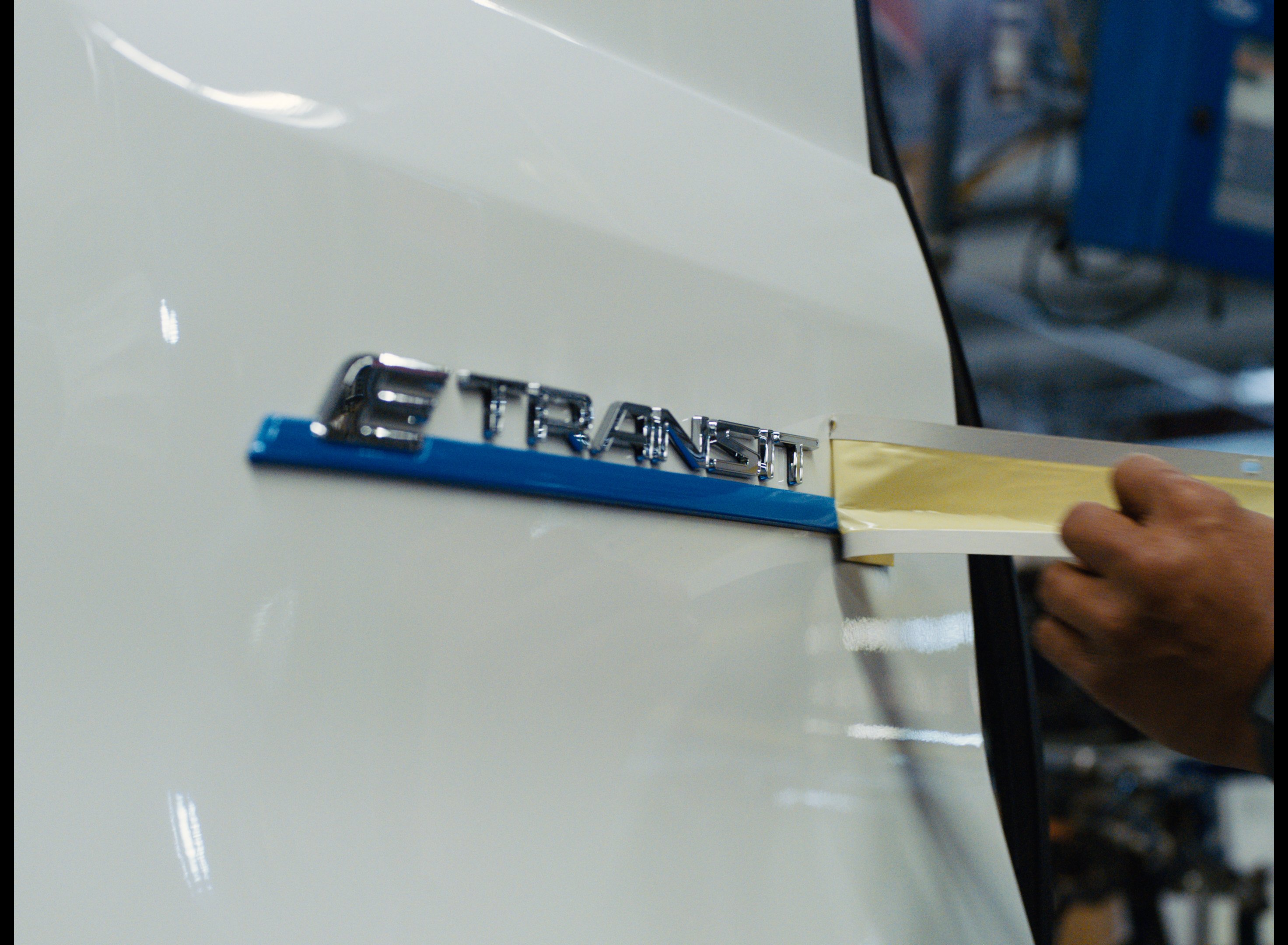
Image source: Ford Motor Company.
What some investors don’t know is that in addition to its strong commercial vehicle business in North America, Ford has a strong position in Europe. That’s about to see some new pressure from the Chinese, who haven’t disrupted the light commercial van market in Europe until now. Here’s the kicker: The Chinese are able to launch electric vans in Europe that won’t face additional European Union tariffs, unlike the passenger cars.
Joint venture plays key role
Ford is already preparing to counter the new entrants to the light commercial vehicle market in Europe. In fact, Ford is launching the China-built Transit City compact van in Europe to directly counter the new Chinese entrants. This vehicle is built by Ford’s Chinese joint-venture partner, Jiangling Motors Corp. Ford’s Transit City is positioned smaller than the electric Transit Custom midsize van, which is Ford’s best-selling van in Europe. It has a more affordable price of 29,000 British pounds, compared to 45,510 pounds for Ford’s E-Transit Custom.

Ford Motor Company
Today’s Change
(1.15%) $0.14
Current Price
$12.32
The Chinese entrants are banking on Europe’s tightening emissions regulations driving faster electric adoption to replace its historic reliance on diesel models. China’s growing reputation for electric vehicle prowess, combined with tightening emissions regulations and the fact that its electric vans avoid additional tariffs, makes a compelling case for China to get its foot in the door of a new segment.
The Chinese will still face challenges from entrenched rivals that have spent years building charging infrastructure and branding in Europe. This isn’t a threat that should hurt Ford Pro’s bottom line in the near term, but it’s certainly a development to keep an eye on, as the competition is going to intensify.