
Activist investors have targeted several prominent packaged food giants, including Kraft Heinz (NASDAQ: KHC) and PepsiCo (NASDAQ: PEP), over the past few years. Those companies were once considered stable blue chip stocks, but they lost their momentum as they faced tougher competition, shifting consumer tastes, and intense macro headwinds.
As a result, big activist investors — like Trian Partners at Kraft Heinz and Elliot Management at PepsiCo — swooped in and pushed for big changes. However, one struggling packaged foods giant that hasn’t attracted much activist attention is General Mills (NYSE: GIS), which lost nearly 40% of its value over the past 12 months and trades at just 8 times this year’s earnings.
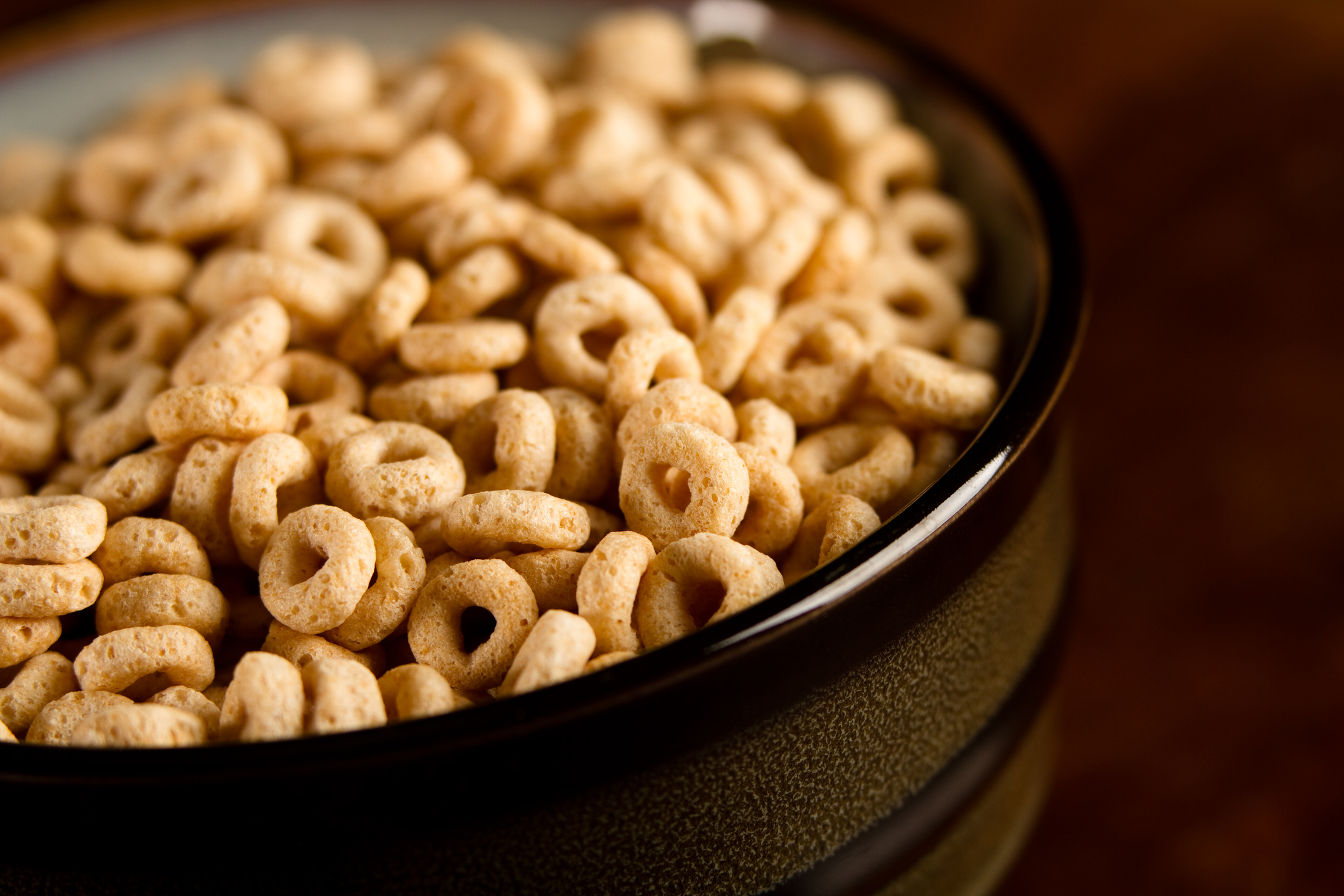
Image source: Getty Images.
Will activist investors target the packaged foods giant this year?
Activist investors have targeted several prominent packaged food giants, including Kraft Heinz (KHC 0.56%) and PepsiCo (PEP 1.70%), over the past few years. Those companies were once considered stable blue chip stocks, but they lost their momentum as they faced tougher competition, shifting consumer tastes, and intense macro headwinds.
As a result, big activist investors — like Trian Partners at Kraft Heinz and Elliot Management at PepsiCo — swooped in and pushed for big changes. However, one struggling packaged foods giant that hasn’t attracted much activist attention is General Mills (GIS 0.92%), which lost nearly 40% of its value over the past 12 months and trades at just 8 times this year’s earnings.
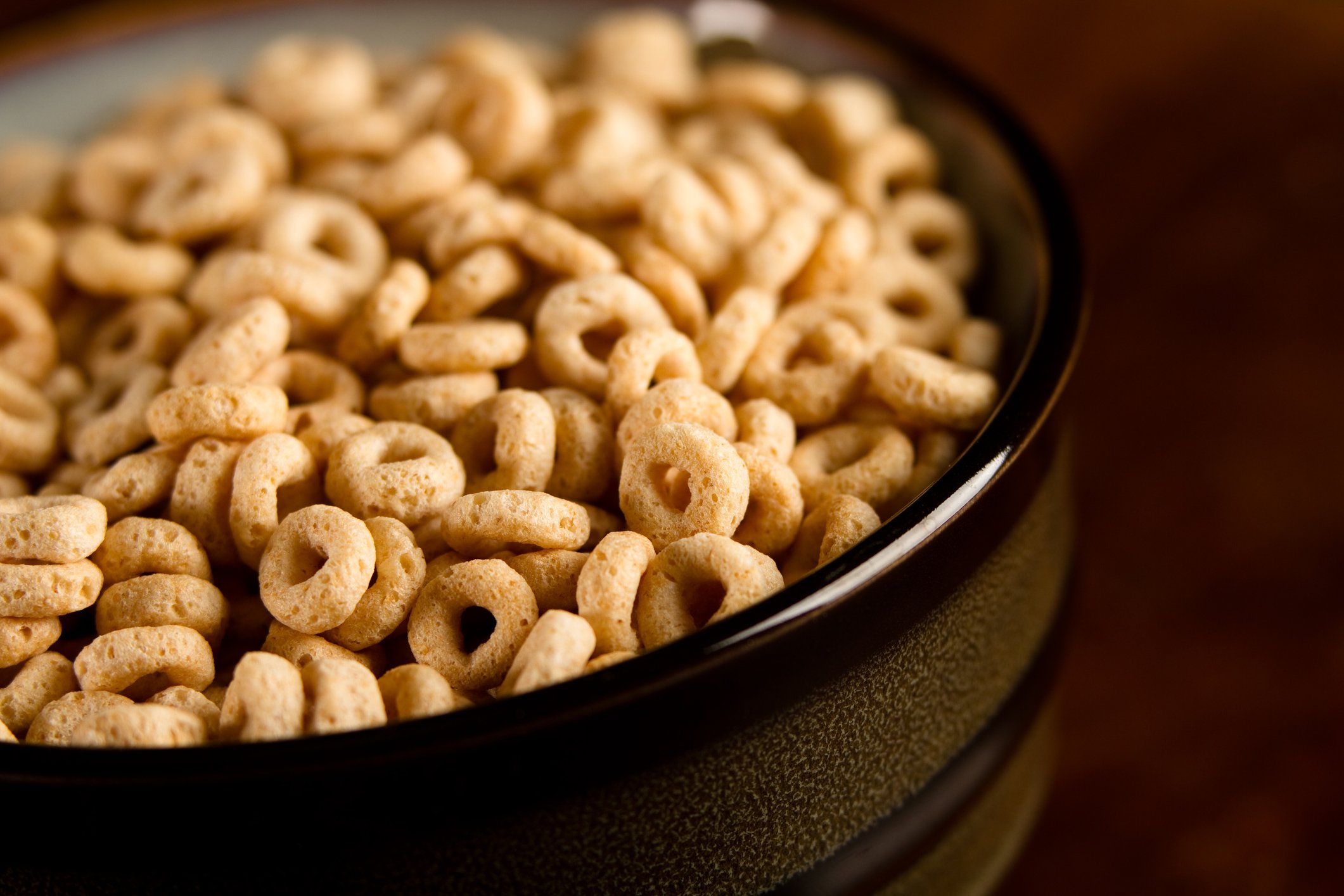
Image source: Getty Images.
Does that lack of activist interest indicate that General Mills faces fewer existential challenges than Kraft Heinz or PepsiCo, or does it suggest that it’s in even deeper trouble? Let’s see why General Mills’ stock collapsed, and if it’s a buy, sell, or hold today.
What happened to General Mills?
General Mills sells more than a hundred brands of packaged foods, including Cheerios, Yoplait, Häagen-Dazs, and Green Giant. It also sells premium pet food products through its Blue Buffalo subsidiary. It’s survived over a dozen recessions and paid uninterrupted annual dividends since its public debut in 1928, so it’s often considered an evergreen investment.

General Mills
Today’s Change
(-0.92%) $-0.32
Current Price
$34.40
But in recent years, General Mills and its industry peers have faced intense competitive pressure from private-label, local, and health-oriented brands. That pressure drove General Mills to aggressively acquire more brands to stay competitive, but that expansion “di-worsified” its business and diverted some resources away from improving its core brands. Inflation also drove up its input costs and squeezed its margins. General Mills initially raised its prices to offset that pressure, but it quickly exhausted its pricing power.
To stabilize its business, General Mills has been divesting its weaker brands and reinvesting in its core brands. However, it’s unclear whether those turnaround strategies can counter the soaring demand for cheaper, healthier alternatives to its processed, shelf-stable foods.
Is it the right time to buy, sell, or hold this stock?
Some institutional investors are nudging General Mills to shake up its management and make bolder moves, but it hasn’t faced any aggressive activist campaigns yet. That might change in the near future, but the recent challenges at Kraft Heinz and PepsiCo — even with activist involvement — suggest that General Mills still faces a tough uphill battle.
General Mills’ net sales have already declined for two consecutive years, and analysts expect that figure to dip another 5% in fiscal 2026 (which ends this May) and 2% in fiscal 2027. Therefore, the big activist investors might be waiting for General Mills’ stock to sink even lower before moving in — so it’s probably better to sell or avoid this unloved stock right now.