The Court of International Trade, which last week declared the Trump administration’s 10 percent global duties unlawful, has granted the federal government a stay of the enforcement of that judgement.The Court of International Trade, which last week declared the Trump administration’s 10 percent global duties unlawful, has granted the federal government a stay of the enforcement of that judgement.
The Court of International Trade (CIT), which last week declared the Trump administration’s 10 percent global duties unlawful, has granted the federal government a stay of the enforcement of that judgement.
In other words, the administration, which filed for the stay on Monday, will be allowed to continue to collect Section 122 tariffs and will not be required to pay back the duties owed to the plaintiffs in the case until “the entry of a final and conclusive judgment after all appeals,” the CIT wrote in a decision later the same day.
In its filing, the Department of Justice alleged that it would be harmed without a stay in that the injunction would “severely undermine the President’s trade agenda and will destabilize efforts to remedy our longstanding trade deficit.”
It also argued that Customs and Border Protection (CBP) would not be able to enact the court’s injunction without diverting its already-limited resources from the effort to refund International Emergency Economic Powers Act (IEEPA) tariffs, which were invalidated on Feb. 20. This, despite the fact that the court’s injunction was limited to the plaintiffs in the case—two small businesses and the state of Washington.
While the New York-based trade court acquiesced to the stay, Trump’s Section 122 tariffs will face more legal challenges in the months to come. The DOJ noted in its Monday filing that it expects “hundreds, if not thousands, of plaintiffs” to “seek similar relief” to the plaintiffs in the case.
The administration has appealed the decision to the U.S. Court of Appeals for the Federal Circuit—the same court that denied the appeal of the IEEPA tariffs last fall. The DOJ floated seeking emergency relief from the Supreme Court if both lower courts declined to pause the ruling.
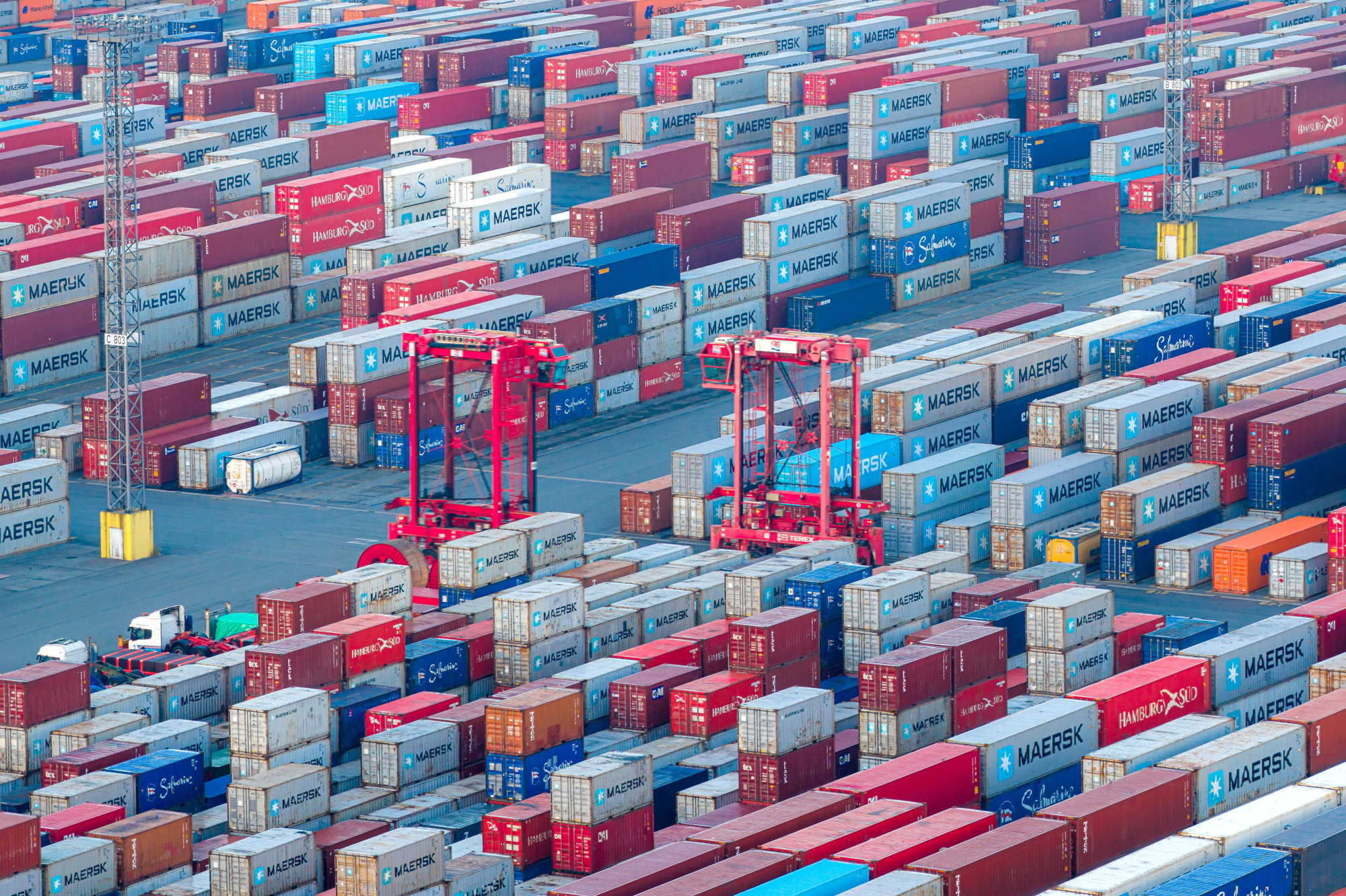
In the meantime, as the government continues to collect tariffs under Section 122—duties that could ultimately be deemed unlawful and refunded to importers. According to small business coalition We Pay the Tariffs, CBP collected about $8 million in Section 122 tariffs in March alone. The government estimates that over 170,000 importers have paid deposits on 13 million entries since the tariffs took effect on Feb. 24.
Top Trump officials made the case Monday that the CIT’s ruling should be reversed.
Commerce Secretary Howard Lutnick warned that the “premature removal of the [Section 122 tariffs] would usher in a flood of imports that characterized the pre-global tariff landscape, exacerbating the imbalances” that the president’s executive order was “designed to prevent.”
“The surcharge acts as a global baseline tariff that prevents the resurgence of conditions such as extremely high imports and trade deficits that contributed to the balance of payments problems,” he added.
U.S. Trade Representative Ambassador Jamieson Greer wrote that the tariffs are necessary leverage in ongoing trade talks, noting, “If certain key trading partners walk away from the table now, these negotiations may never resume.”