What is the best antiaging skin-care routine? Six skin experts reveal the essential skin-care steps to keep skin hydrated, firm, and bouncy.What is the best antiaging skin-care routine? Six skin experts reveal the essential skin-care steps to keep skin hydrated, firm, and bouncy.

From PDRN and exosomes to growth factors and ectoin, there’s a rapidly expanding array of antiaging skin-care ingredients that are, to quote Wendy Williams, “the moment.” (Well, until it’s time for the next buzzy ingredient to have its moment.) While the innovation is exciting for clinicians and consumers alike, it can be overwhelming to keep up with the latest best practices for an antiaging skin-care routine—even for someone like me, who writes about skin care every day.
Vogue’s Favorite Antiaging Skin-Care Products
- The Cleanser: Guerlain Orchidée Impériale The Oil in Gel, $130
- The Multipurpose Serum: L’Oréal Paris Revitalift Triple Power Face Serum, $22
- The Hydrating Essence: Prequel Half & Half Peptides + Ceramides Fluid Moisturizer, $26
- The Retinol: Medik8 Crystal Retinal Serum, $56
- The Hydrating Eye Cream: Blue Lagoon Skin Science BL+ Eye Cream, $165
- The Firming Moisturizer: SkinCeuticals P-TIOX Cream, $150
- The Tinted Sunscreen: Carte Blanche Multi-Hyphenate Skin Tint Mineral SPF 35, $68
To start, a good cleanser is key. Then a toner or essence can keep the skin luminous and smooth and allow active ingredients to work harder. And speaking of actives, it’s better to know what your skin needs—and to find the right product to provide it—than to hop on the latest ingredient trend. But you don’t have to do the legwork alone.
To help you design a regimen that addresses the needs of aging skin with products that deliver proven results, we tapped the pros. Ahead, see what dermatologists, aestheticians, and other skin experts recommend for keeping skin smooth, supple, and strong at any age, plus which classic and cutting-edge ingredients they actually recommend.
Of course, active ingredients will come into play later on, particularly with serums. But for this initial step, Pierre tells mature patients to find a formula that’s gentle, non-irritating, and—if needed—able to remove makeup. Peter Bittar, MD, a double-board-certified dermatologist and Mohs surgeon at Miami Dermatology and Laser Institute, emphasizes the importance of fragrance-free cleansers. “Fragrances often irritate the skin, which can make it harder to use actives such as retinoids,” he says.

Guerlain
Orchidée Impériale The Oil in Gel
Inspired by the longevity of orchids, Guerlain’s Orchidée Impériale collection draws upon research into Vanda coerulea, a blue orchid that can survive for up to 100 years. The firming, plumping cream is a favorite at Vogue HQ—beauty shopping editor Kiana Murden has been raving about this oil-in-gel. Formulated with Orchid Totum Molecular Extract and 40% skin-care oil, it melts into the skin to dissolve dirt and makeup—even waterproof formulas—before transforming into a milky veil upon contact with water. The result? Luminous skin with refined texture and the softness of an orchid petal.
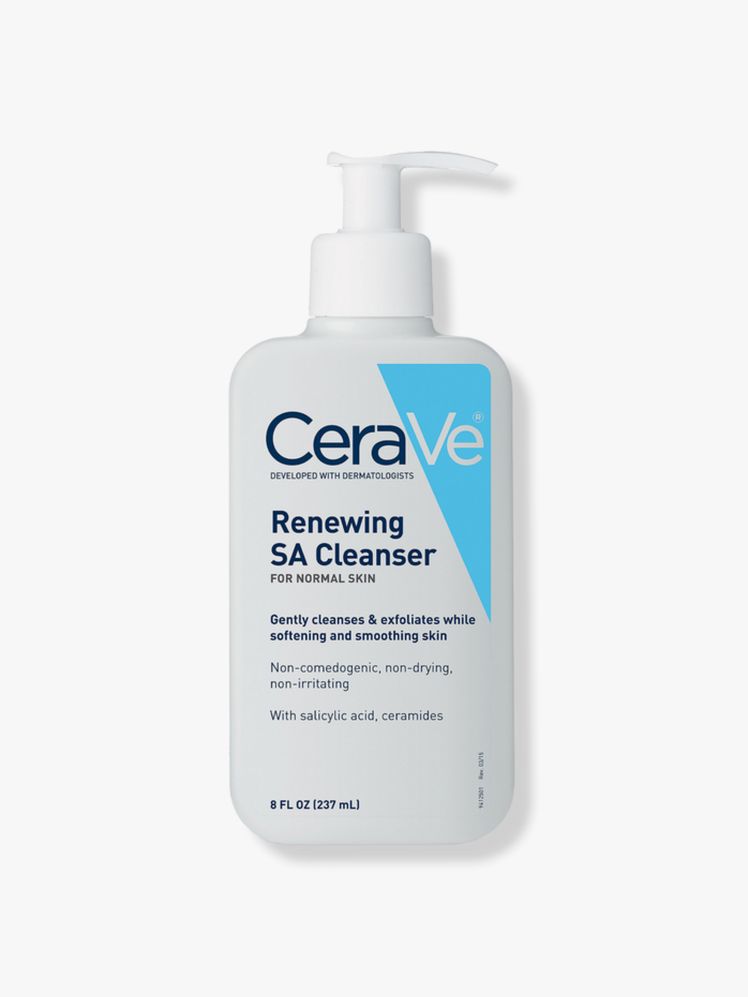
CeraVe
Renewing SA Cleanser
Bittar recommends CeraVe’s fragrance-free cleanser, which exfoliates and smooths the skin as it washes away dirt, oil, and debris. Thanks to its star ingredient—salicylic acid—the formula also helps clarify pores. “If you are dealing with blackheads or want an exfoliating action, a salicylic acid wash can go a long way,” Bittar says.
Finish Skin Prep With a Toner or Essence
After cleansing, a toning step can remove any leftover impurities from the pores and balance the skin’s pH level, while essences—which have a slightly thicker texture—tend to be more hydrating. “For aging skin, toners and essences should be alcohol-free and infused with soothing ingredients like hyaluronic acid or peptides,” says aesthetician Nikki Miller, the director of Kohler Waters Spa in Kohler, Wisconsin. “This helps prep the skin for better absorption of subsequent products.” She adds that the lightweight products can also plump the skin.

Prequel
Half & Half Peptides + Ceramides Fluid Moisturizer
“I love this concept, and the product seems to live up to its marketing claims,” says Fiona Rahbar, MD, a board-certified dermatologist at Mara Dermatology in South Carolina. “This moisturizer boasts both ceramides and peptides and lists them first in the ingredients, as opposed to many products that talk about peptides in the marketing but then list them last in the ingredients. Red flag!” The green flags in this formula? Multiple ceramides, which help support the skin barrier, as well as two peptides commonly used in collagen signaling.

Tatcha
The Essence Healthy Aging Firming Treatment
“I love this product for someone seeking a fragrance-free, natural, plant-based product for skin hydration and plumping,” Rahbar says. Rayva Khanna, MD, a board-certified dermatologist at Schweiger Dermatology Group in New York and Greenwich, Connecticut, notes that the formula combines traditional Japanese botanical ingredients with modern skin-care science. “Green tea contains polyphenols with antioxidant properties that help protect against oxidative stress, a contributor to premature skin aging. Algae-derived components help retain moisture and temporarily plump the skin, softening the appearance of fine lines. This makes it a particular favorite of mine for mature skin,” she says. “ I also like this product for dry, dehydrated skin because it delivers an additional layer of hydration without feeling heavy.”
Use a Serum to Target Specific Signs of Aging
With the skin thoroughly prepped, it’s time to get active. “Serums are lightweight and designed to absorb deeply, delivering potent antiaging actives where they’re needed most,” says board-certified dermatologist Deanne Mraz, MD. According to aesthetician Audrey Zmigrodski, the director of Spa and Warm Springs Pools at The Omni Homestead Resort & Spa in Hot Springs, Virginia, the best serums for mature skin contain ingredients that target concerns such as wrinkles, elasticity, and uneven tone. “Look for serums with retinol—or bakuchiol for sensitive skin—peptides, antioxidants, and niacinamide,” she says. “Apply the serum after toning and before moisturizer to maximize absorption.” Below, find the best antiaging serums broken down into the benefits they provide.
For aging skin, dermatologists recommend protecting collagen and warding off free-radical damage with a serum that contains proven antioxidants, including the pure form of vitamin C, L-ascorbic acid. “In general, the ingredient L-ascorbic acid is very well studied,” Khanna notes. “Supporting antioxidants are also important in the formula. The classic pairing we see is vitamin E and ferulic acid.” She also recommends seeking out serums with active ingredients like niacinamide or green tea polyphenols—and paying attention to packaging. Because vitamin C can degrade with exposure to light or air, she suggests looking for opaque or airtight packaging.
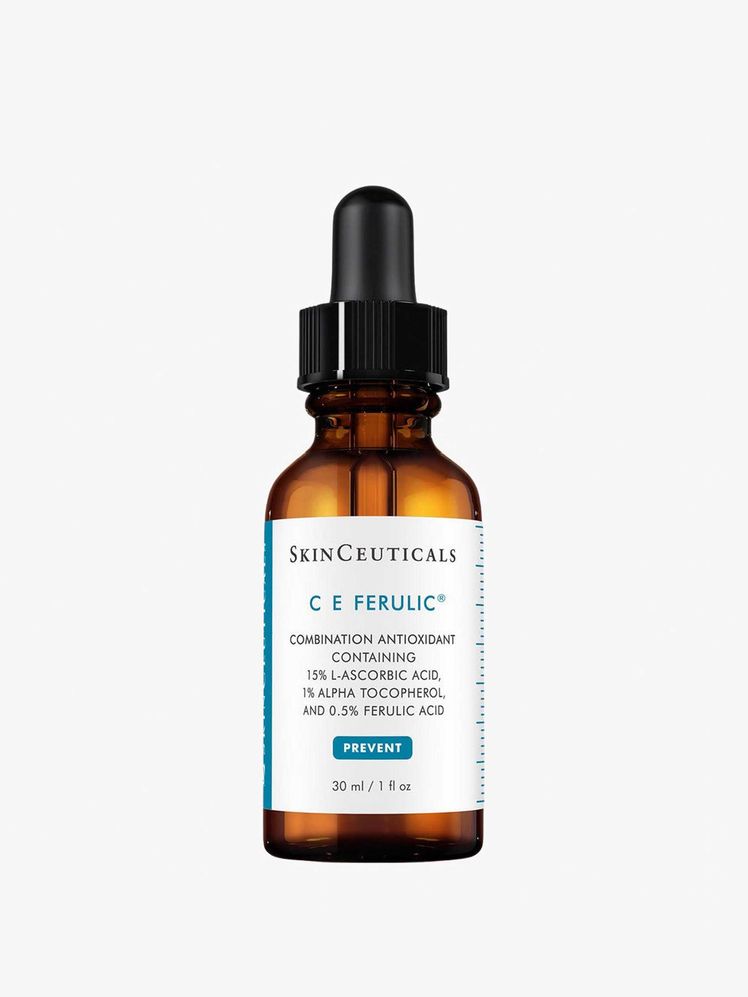
SkinCeuticals
C E Ferulic
Loaded with antioxidants and lauded by dermatologists, SkinCeuticals’s CE ferulic serum is one of Bittar’s top recommendations. “This is the gold standard of vitamin-C serums, especially for mature skin,” he says. “It’s one of the original products to stabilize vitamin C with vitamin E and ferulic acid. It carries a substantial price tag, but it is one of the few skin-care products that I believe is actually worth the splurge.”

La Mer
The Concentrate Serum
La Mer’s newly reformulated concentrate is a barrier-focused serum designed to soothe visible irritation and help aging skin withstand environmental stressors. Its formula features Concentrated Miracle Broth, antioxidant-rich Lime Tea Concentrate, and Clarity Algae to help defend against free radicals and improve discoloration. “The formula is rich in silicones, which form a protective layer over the skin to help maintain hydration,” says Khanna, who also highlights its barrier-supporting lipids, including cholesterol and linoleic acid. She considers it a good option for dry or barrier-compromised skin, though its fragrance and aromatic botanical ingredients may be problematic for highly reactive complexions.
“When considering adding a serum designed for firming, you want to set expectations for what your serum can and cannot do,” says May Hall, DO, a double-board-certified dermatologist in Kentucky. She notes that no firming serum can reverse severe sagging or provide long-term skin tightening. “However, can your topical firming serum boost collagen production and support skin elasticity with ingredients like retinol, peptides, and hyaluronic acid?” she asks. “Absolutely!” With consistent use, Hall says that a good firming serum can improve the appearance of skin through surface plumping.

L’Oréal Paris
Revitalift Triple Power Face Serum
“This serum contains a Tri-Peptide Complex to support better skin elasticity and collagen production,” Hall says. “It also has ingredients like hyaluronic acid to help lock in the skin’s moisture and vitamin C for an overall brightening effect. At this affordable price point, this is a great addition to an antiaging skin-care regimen.”

Dr. Dennis Gross
DRx BioRejuvenation Serum
“This is an ambitious, multi-ingredient formula,” says Nupur Patel, MD, a board-certified dermatologist in Clearwater, Florida. Designed to lift, tighten, and sculpt the skin, the serum “combines amino acids—the building blocks of proteins—with niacinamide, glutathione, adenosine, peptides, and several moisturizing ingredients,” she explains. “I like the intention of addressing multiple aspects of skin quality rather than focusing only on wrinkles. For someone who wants one comprehensive treatment serum, it is an interesting option.”
You don’t have to keep the same hours as your skin care. In fact, some of the most effective products for aging skin work while you’re asleep. SkinCeuticals’s P-Tiox Serum, for instance, is a bedside staple for many Vogue editors, while retinol is the long-reigning MVP of after-hours skin care. “Retinoids have the greatest body of scientific evidence supporting their effectiveness in promoting collagen synthesis and increasing cellular turnover,” says Brandon Richland, MD, a board-certified plastic surgeon and the founder of Richland Aesthetics in California and Nevada. Richland also suggests using barrier-supportive ingredients like ceramides or ectoin at night. These ingredients help maintain hydration and reduce transepidermal water loss, which can make retinoids easier to tolerate and reduce irritation.
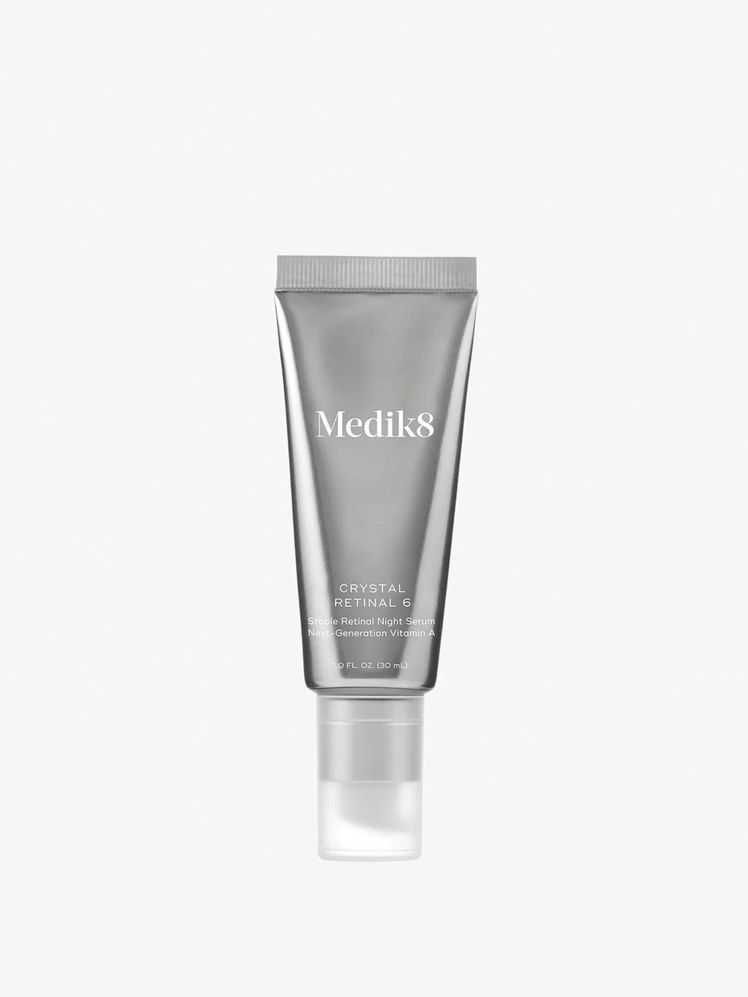
Medik8
Crystal Retinal Serum
According to Pierre, the key to finding a good retinoid for aging skin is to ensure it doesn’t irritate your skin. Medik8’s Crystal Retinal simplifies that process, offering the product in various strengths suited to sensitive skin and those new to retinal as well as experienced retinoid users.

Allies of Skin
Copper Tripeptide & Ectoin Advanced Repair Face Serum
“This is great for a compromised barrier,” Khanna says. “It’s a fragrance-free formula with ectoin, which helps with barrier support, reducing water loss, and may protect against oxidative stress.” She recommends the serum for rosacea- or eczema-prone patients or for general barrier repair overnight.
Apply an Eye Cream (Without Tugging)
“The skin around the eyes is delicate and typically shows the first signs of aging,” says Miller. “Choose eye creams with peptides or caffeine to reduce puffiness, firm the skin, and smooth fine lines.” Hydration is also key, she adds, and the ideal eye cream will have a rich yet non-irritating formula. Miller recommends applying eye cream after serum and before moisturizer, day and night—and going about it gently. “Tap gently with your ring finger to avoid pulling the delicate skin,” Zmigrodski instructs.
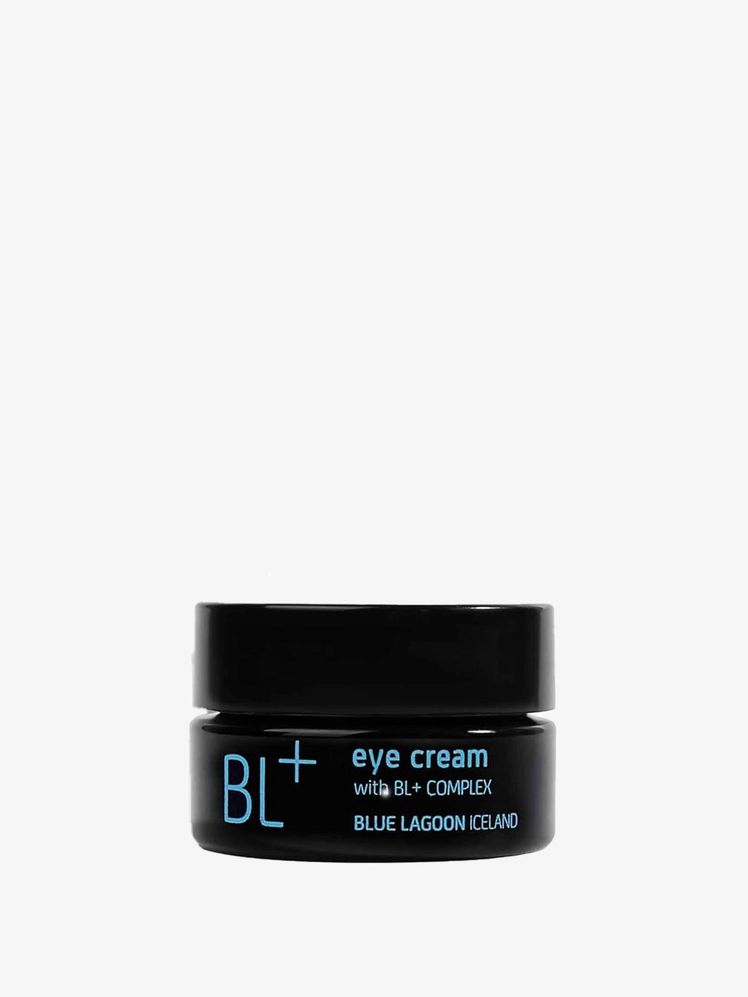
Blue Lagoon Skin Science
BL+ Eye Cream
Designed specifically for the eye area, Blue Lagoon’s BL+ complex uses an advanced system to deliver collagen-boosting microalgae and silica deep into the skin. Also made with ceramides, bakuchiol, and niacinamide, the cream has a rich, melting texture that makes it a treat to apply.

Tata Harper
Brightening Eye Gel
Designed to brighten, hydrate, and de-puff, Tata Harper’s soothing eye gel is one of my morning must-haves—and it’s also dermatologist approved. “Made with vitamin C and Japanese plum, which is known for its antioxidant and antiglycation properties, this formulation is great for dark circles or tired undereyes,” Hall says. What’s more, “the whipped texture feels soothing and smooth on the thin undereye skin.”
With Moisture, More Is More
“Moisturization is a crucial step in improving the vibrancy and health of mature skin,” Bittar says. “As we get older, our skin gets drier, which leads to a dull appearance.” He says that the best moisturizers for aging skin not only hydrate but also include active ingredients—such as niacinamide, panthenol, or hyaluronic acid—that tend to be common signs of aging. And in this category, it’s okay to double-dip.
“I often recommend investing in a moisturizer with built-in sunscreen to help simplify your morning regimen and buying one without SPF for evening use,” Bittar says. According to Miller, night creams should focus on repair and regeneration, and the best ones help mimic the effects of a restful night’s sleep.
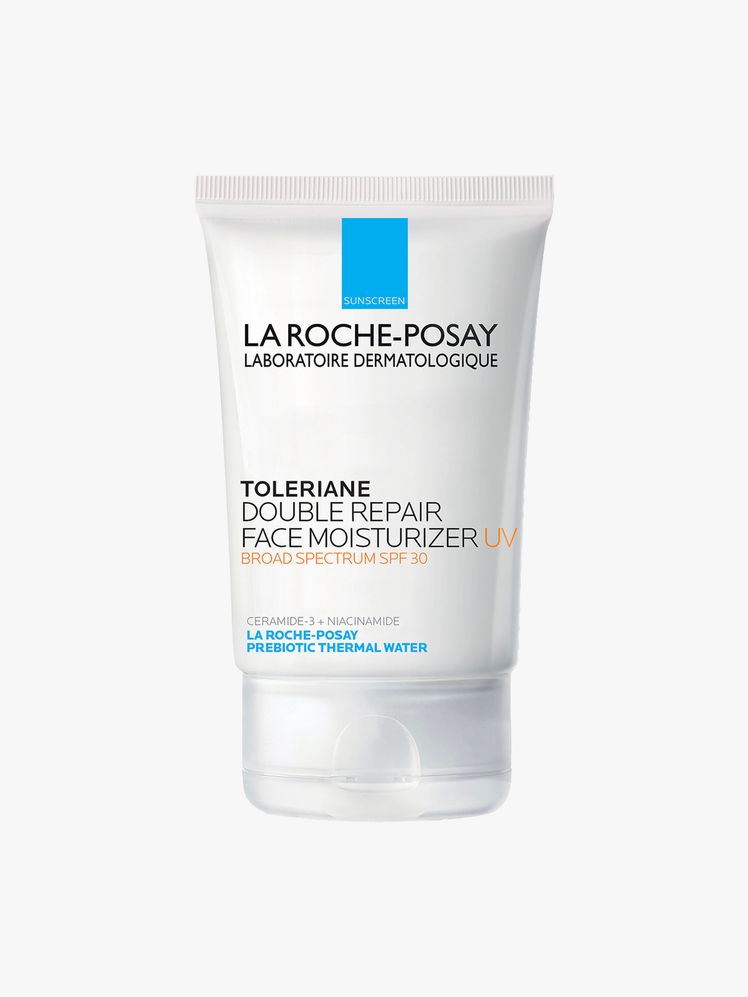
La Roche-Posay
Toleriane Double Repair Moisturizer SPF 30
“This is my favorite face moisturizer,” Bittar says. “I keep a bottle at home, in my bag, and even in my car. It has ceramides and glycerin to hydrate and niacinamide to help soothe and brighten tone. The UV version has a built-in SPF 30 that doesn’t pill up and goes on super smooth.”

SkinCeuticals
P-TIOX Cream
A firming favorite among Vogue editors, this SkinCeuticals cream targets deep lines, enlarged pores, and uneven texture. Its formula combines peptides, niacinamide, and exfoliating lipohydroxy acid to help skin look smoother and brighter, while keeping it hydrated for hours. “I absolutely love the P-Tiox Serum, and my skin drinks up the P-Tiox cream,” Hall says. “I love how silky the consistency is, and I know my skin is actively benefiting from the high-potency peptide formulation.” She recommends using the cream on its own or layering it with other actives like retinol.
SPF Is a Daily Must
This last step is crucial. “Sunscreen is the single most important antiaging product,” Mraz stresses. “It protects against UV rays that accelerate the breakdown of collagen and elastin.” As collagen and elastin break down, she says, the skin becomes prone to more visible wrinkles, increased skin laxity, and UV-induced hyperpigmentation.
Bittar often tells his patients that sunscreen is “a fountain of youth in a bottle.” Like most dermatologists, he says that a sunscreen with SPF 30 or more is ideal, as SPF 30 blocks 97% of UV light. But he stresses that reapplication is the key to efficacy for any sunscreen.
“What most people don’t realize is that sunscreen only lasts about two hours, so if you put on your sunscreen at 9 a.m., then go out to lunch at noon, your morning application is no longer protecting you,” he notes.
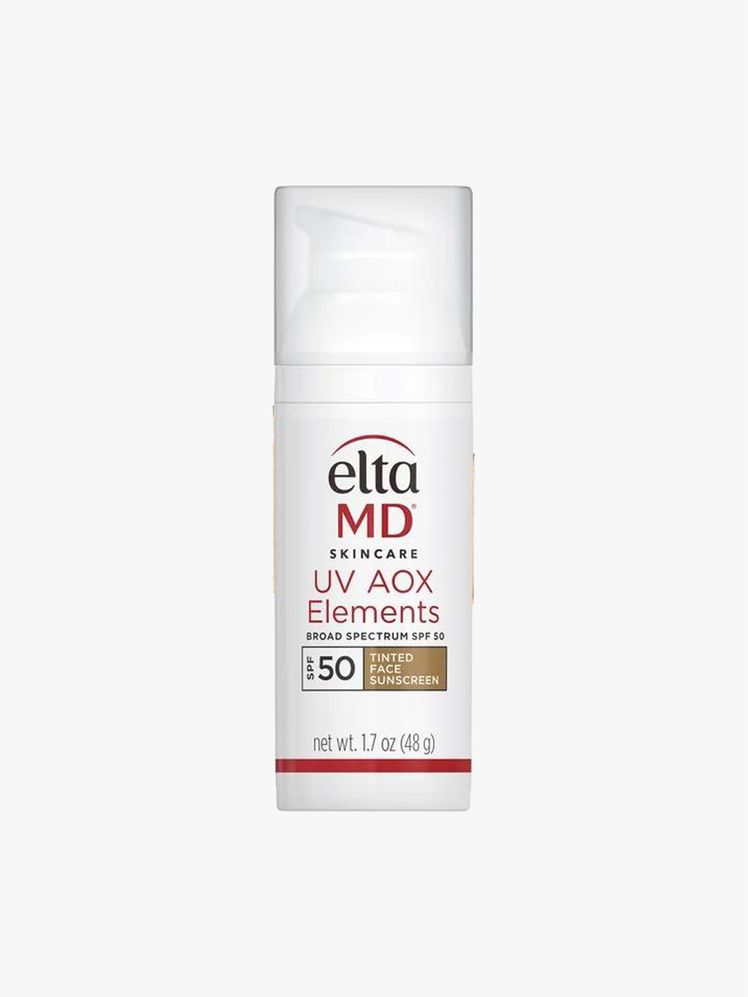
EltaMD
UV AOX Elements Broad-Spectrum SPF 50 Tinted Face Sunscreen
Bittar often recommends tinted sunscreen to streamline a morning routine, since it can double as a foundation. “Almost all of EltaMD’s sunscreens are super-lightweight mineral sunscreens that come with or without tint and go on incredibly smooth,” he says. “This one is specifically designed for sensitive skin and has antioxidants—vitamins C and E—to help with photoaging as well.”

Carte Blanche
Multi-Hyphenate Brightening Skin Tint Mineral SPF 35
Carte Blanche’s new skin tint is a true multitasker, combining mineral sun protection with ingredients that target hyperpigmentation. “It contains zinc oxide for broad-spectrum UV protection and iron oxides that help protect against visible light,” Khanna says. “This is particularly beneficial for patients with melasma or post-inflammatory hyperpigmentation.” She notes that the formula also incorporates licorice root extract, vitamin C, and bakuchiol, which offer antioxidant and potential skin-brightening benefits.
Everything You Need to Know
What’s the best skin-care routine for aging skin?
“The best routine is different for each person’s specific needs, but most ideal routines for aging skin are composed of sunscreen, a retinoid, a gentle wash, a solid moisturizer, and a vitamin-C serum—in that order of importance,” Bittar says. “If you have all of these components in your regimen, your routine is already in great shape.” Below, Bittar outlines his go-to routine for aging skin.
AM
- Gentle face wash or salicylic acid face wash
- Vitamin-C serum
- Moisturizer with SPF 30+ sunscreen
Throughout the day:
Reapply sunscreen every two hours
PM
- Gentle face wash
- Retinoid treatment
- Moisturizer
In what order should you use antiaging skin products?
“In general, you should use your products from lightest to heaviest,” Bittar says. He typically recommends using a cleanser followed by active ingredients in a toner, serum, and/or cream, and then layering on a moisturizer. “Finally, sunscreen goes on top,” he says.
To keep skin care simple, he also recommends splitting a routine into the morning and evening components outlined above. “Stick with only a few steps in each to make it easier to stay consistent and to make sure that your actives work well together,” he advises.
Meet the Experts
- Peter Bittar, MD, is a double-board-certified dermatologist and Mohs surgeon at Miami Dermatology and Laser Institute.
- Patricia Conrad is an aesthetician and massage therapist at The Spa at the Belgrove Resort & Spa in West Palm Beach, Florida.
- Nikki Miller is a professional aesthetician and the director of Kohler Waters Spa in Kohler, Wisconsin.
- Audrey Zmigrodski is a licensed aesthetician and the director of Spa and Warm Springs Pools at The Omni Homestead Resort & Spa in Hot Springs, Virginia.
- Deanne Mraz, MD, is a board-certified dermatologist based in Connecticut.
- Peterson Pierre, MD, is a board-certified dermatologist at Golden State Dermatology in Thousand Oaks, California.
- Fiona Rahbar, MD, is a board-certified dermatologist at Mara Dermatology in South Carolina.
- May Hall, DO, is a double-board-certified dermatologist in Kentucky.
- Rayva Khanna, MD, is a board-certified dermatologist at Schweiger Dermatology Group in New York and Greenwich, Connecticut.
- Brandon Richland, MD, is a board-certified plastic surgeon and the founder of Richland Aesthetics in California and Nevada.
- Nupur Patel, MD, is a board-certified dermatologist and the founder of Luma Dermatology in Clearwater, Florida.