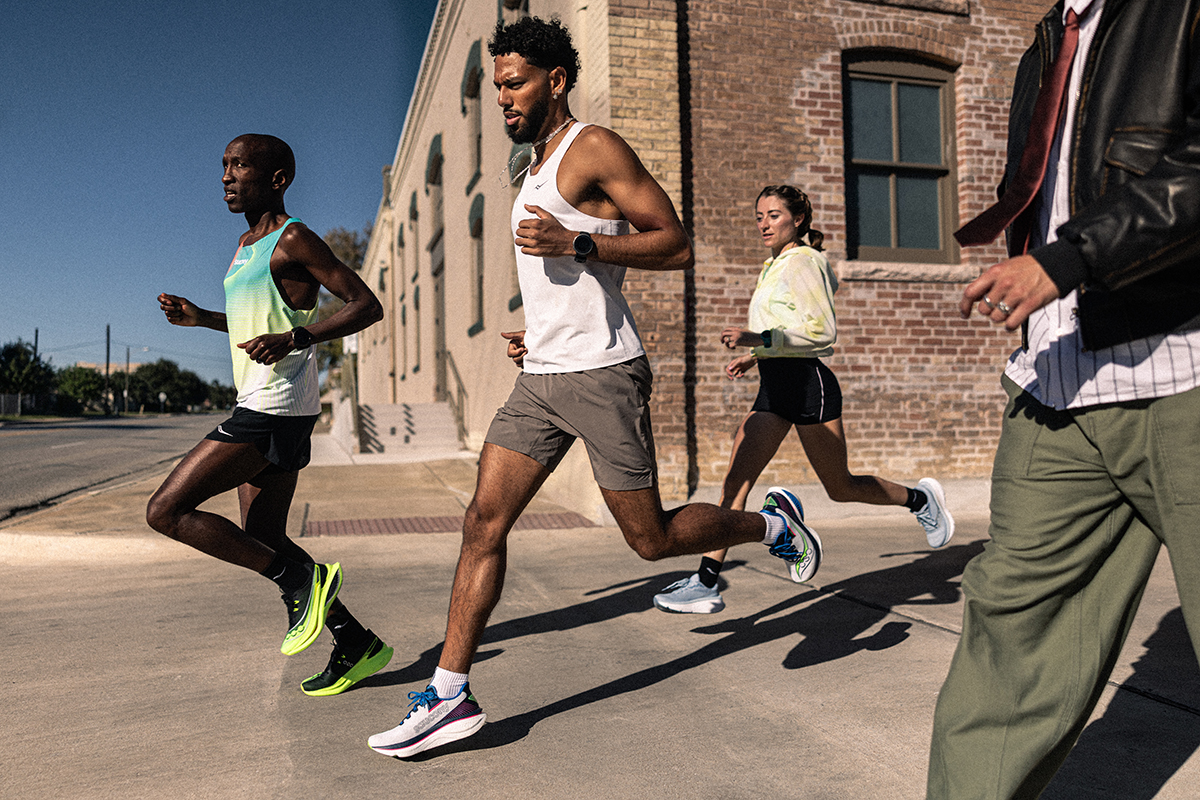
Running shoes were the standout in the first quarter, delivering double-digit dollar and unit growth.Running shoes were the standout in the first quarter, delivering double-digit dollar and unit growth.
Rising prices led to modest footwear sales growth in the first quarter of 2026.
According to new data from Circana’s Retail Tracking Service, total U.S. footwear sales increased 1 percent versus the same period last year in the first quarter of 2026. And while overall units sold declined, higher average selling prices continued to support topline revenue.
Circana’s data shows that styles rooted in activity, comfort, and daily wear emerged as the strongest performers, reflecting a persistent preference for shoes that can move seamlessly across multiple occasions.
As such, the performance category outperformed the broader market in Q1, with dollar sales up 5 percent, supported by both unit demand growth and average selling prices increases.
You May Also Like
Within performance, running shoes were the standout, delivering double-digit dollar and unit growth – highlighting sustained consumer investment in footwear that support regular movement and wellness routines.
Cross-training styles, along with sport-oriented shoes for golf and tennis, also delivered solid gains as participation-based activities and hybrid fitness habits continue to influence purchasing behavior. In the lifestyle space, running-inspired silhouettes continued to gain share while other sport-inspired segments slowed.
The research firm added that some of this softness was absorbed by casual fashion categories that reflected the emphasis on wearability and comfort.
Overall, the fashion segment delivered 2 percent dollar growth in Q1, supported by higher prices despite declining units. Sandals posted growth in both dollars and units, led by slides and flip–flops.
Shoe silhouettes such as mules, clogs, and ballerinas also contributed positively, reinforcing demand for silhouettes that can transition easily from casual to more polished settings. In contrast, fashion boots continued to decline despite growth in the high-shaft segment, as soft unit demand across ankle and mid-shaft styles outweighed meaningful average selling price increases.
Beth Goldstein, footwear and accessories industry advisor at Circana, said in a statement that price increases remain a challenge for the footwear industry in 2026, but certain segments are bucking the trend.
“Categories tied to daily use, activity, and casual comfort proved best positioned to capture consumer spending in Q1,” Goldstein noted. “As the year progresses and consumers remain selective in their spending, brands and retailers must connect their merchandising and messaging to their customers’ key lifestyle priorities – those that do this well will be the share winners in this slow growth environment.”
This data comes as footwear prices continued to rise in March after a sharp increase at the start of the year persists, according to the latest data from the Footwear Distributors and Retailers of America (FDRA).
While overall inflation jumped last month due to rising energy costs sparked by the conflict in the Middle East, retail footwear prices rose 2.4 percent year-over-year in March, higher eight of the last nine months and the fastest in 40 months, the FDRA noted.