What separates a bestselling wellness device from a passing fad? Healf, Suri, Therabody, Eight Sleep and Bon Charge share their secrets for cutting through the noise and driving sales.What separates a bestselling wellness device from a passing fad? Healf, Suri, Therabody, Eight Sleep and Bon Charge share their secrets for cutting through the noise and driving sales.

From massage guns and red light therapy panels to LED face masks and lymphatic drainage devices, consumers today can choose from hundreds of wellness gadgets promising to address every bodily concern, at every budget.
The overlap between beauty and wellness is growing by the day via at-home devices that promise medical-grade results. Gen Zs and millennials are most likely to spend on several at-home devices promising to optimize their musculoskeletal health, facial appearance, sleep, and recovery. You only need to log in to TikTok to get an idea of consumer demand — videos tagged with #RedLightTherapy have collectively amassed nearly 100 million views.
The global wellness economy is projected to keep growing rapidly to $9.8 trillion by 2029, up from $6.8 trillion in 2024, according to the Global Wellness Institute. Within that, the global LED face mask market is forecast to more than double from $304 million in 2026 to $679 million by 2034, according to Fortune Business Insights, while the sleep tech devices market is expected to more than triple from $30 billion in 2025 to $96.7 billion by 2032, according to Research and Markets.
That said, the number of upstarts vying for a piece of the pie is growing. Alongside established names like Therabody, Bon Charge and Eight Sleep that started selling devices some 10 years ago, cheaper lookalikes promising similar results are proliferating across Instagram and TikTok, making it increasingly difficult for emerging brands to cut through. As with many maturing technologies, experts say wellness devices have become cheaper and easier to produce, lowering the barriers to entry. Plus, convincing consumers to buy a wellness device is only half the battle — the bigger challenge is ensuring it doesn’t become another idle device, gathering dust in a drawer once the initial novelty wears off.
Start with one specific problem
Experts say the most successful devices aren’t those selling a vague wellness promise to optimize every aspect of a consumer’s health. Instead, retailers are seeing stronger demand for specialized technologies that address a clearly defined problem — whether that’s improving sleep, targeting skin concerns, or aiding recovery of a specific muscle group.
“Consumers are buying solutions, not promises. Over the past six months, purchases of devices that fix one clearly defined problem, like waking up in the dark, thinning hair, or skin issues, outpaced purchases of multi-purpose devices. Wearables are the exception: they do many things, but many consumers purchase to help address a key focus area,” says Lestat McCree, co-founder of wellness retailer Healf.
In the last 18 months, the fastest-growing product categories on Healf have been electromagnetic field (EMF) protection products — devices designed to shield users from electromagnetic fields emitted by electronics — followed by electric oral care devices, red light panels and whole-body devices, and red light face masks, reflecting the broader wellness trends that have been dominated by new technologies in the period. Vagus nerve stimulation devices are another emerging success story. McCree says sales have grown 26x from their first six months on Healf to the current period, with demand expanding beyond early adopters.

“The nervous system has moved from the biohacker’s vocabulary into the mainstream. It started with early adopters and is now spreading through our broader community: with the breakdown between existing Healf customers and new customers being roughly 50-50,” he says.
While many high-growth wellness device brands like Therabody and Bon Charge have expanded into the latest emerging wellness categories, sustainable electric toothbrush brand Suri proves there’s also consumer appetite for redesigning well-established product groups. It’s sold over a million units to date by offering a more design-led toothbrush made from eco-friendly materials that boasts minimum four weeks battery life and has a self-cleaning UV case — a redesign of a product that first emerged almost a century ago.
Co-founder Mark Rushmore tells Vogue Business the brand’s revenues have grown from £1.7 million in 2022 to over £35 million this year. “People are willing to invest in something that genuinely improves a routine they do every single day,” Rushmore says. Suri’s main pro toothbrush is priced at £109, though the brand recently launched its “core” range, priced at £69, bringing in more customers. “Our biggest barrier to purchase has been trust, we’re asking people to move away from household names they’ve used their entire lives. But with independent clinical testing, dentist recommendations and customer reviews, we’re seeing that trust build in real time.”
Eight Sleep has also focused on one category, sleep, and is expanding its customer base via more applications for its sleep technology. These range from features addressing women’s sleep needs during pregnancy, postpartum and the menopause to medical uses, including at-home sleep apnea diagnosis. Rather than releasing other devices, co-founder Alexandra Zatarain says the aim is to address a wider range of sleep problems and reach new customers.
“We started from the outcome we wanted to deliver and then we built the product that could deliver that outcome. We never really thought, will people buy a device? We knew that if we focused on the outcome and we proved our product was delivering that, people would buy it. And I think now it’s clear that they do,” says Zatarain.
Eight Sleep launched its first sleep “pod” in 2019 and has since developed six generations of the technology, releasing its latest iteration, the Pod 6, last month. Eight Sleep’s pods range from $2,500 to over $4,000, and incorporate biometric tracking with heating and cooling technology and elevation, accompanied by a sleep tracking app. Despite the premium price point, with an average order value of more than $3,000, demand for Eight Sleep’s pods continues to grow.
The company reached approximately $500 million in cumulative pod sales by summer 2025 and expects that figure to reach $1 billion by the end of 2026. Some of its wealthiest customers have purchased up to 50 pods to furnish multiple homes and beds, she says, while it’s common for others to buy them as gifts.
For founders looking to enter the market, McCree believes a deep understanding of a niche need is a better starting point than attempting to appeal to everyone. “One recommendation is to start with a frustration that you live and are obsessed with, so that you understand the pain or the problem more deeply than anyone else,” he says. “Obsession is the edge.”
Listen to your customers
Once you’ve identified a need, established brands say continued growth often depends on adapting the product’s design, format and price to remove barriers to purchase by listening to how that need is evolving.
Eight Sleep, for example, initially sold an entire smart mattress but discovered that consumers were reluctant to replace a mattress they already owned. It made the decision to switch to a removable temperature-regulating cover and pod, designed to personalize consumers’ sleeping environments without requiring them to replace their existing mattress. It’s a pivot that helped remove a major barrier to purchase and fueled growth, Zatarain says.
“We stay really close to what people are saying — every single tweet we get tagged in goes into our Slack channel and I read it myself,” she says.
The company has continued to introduce new formats and purchasing options to reach consumers previously excluded by the product’s price or design. In 2026, it launched a single-person pod for those sharing a bed with a partner who doesn’t want the technology, or sleeps in a smaller bed. With an average order value exceeding $3,000, the brand remains firmly premium: Zatarain estimates its US customers typically earn more than $150,000 a year. But rental options in the US and installment payment plans in other markets are helping attract younger buyers, including those in their 20s. “The number one thing people ask us for is when can we make it even more affordable, which is a core focus for us now,” she says.
Bon Charge, initially founded as blue light-blocking glasses brand Blublox in 2017, has taken a different approach by using demand for existing technologies to identify new product opportunities. Younger categories like red light therapy, infrared saunas and PEMF devices accounted for 86% of its sales in 2025, up from 18% in 2022. Red light therapy saw a more than thirtyfold increase in that period, becoming the brand’s largest category.
“Before investing in a new device, we look at sales data, customer feedback, and the potential for it to complement our existing range,” says Bon Charge co-founder Katie Mant. “We want to understand whether there’s a genuine customer need and whether the product offers something that makes sense for the brand.”
Build on the first purchase
For brands that have successfully established a hero product, the next challenge is expanding customer lifetime value. That might mean developing complementary devices, encouraging upgrades, or introducing subscription services that generate revenue beyond the initial hardware sale.
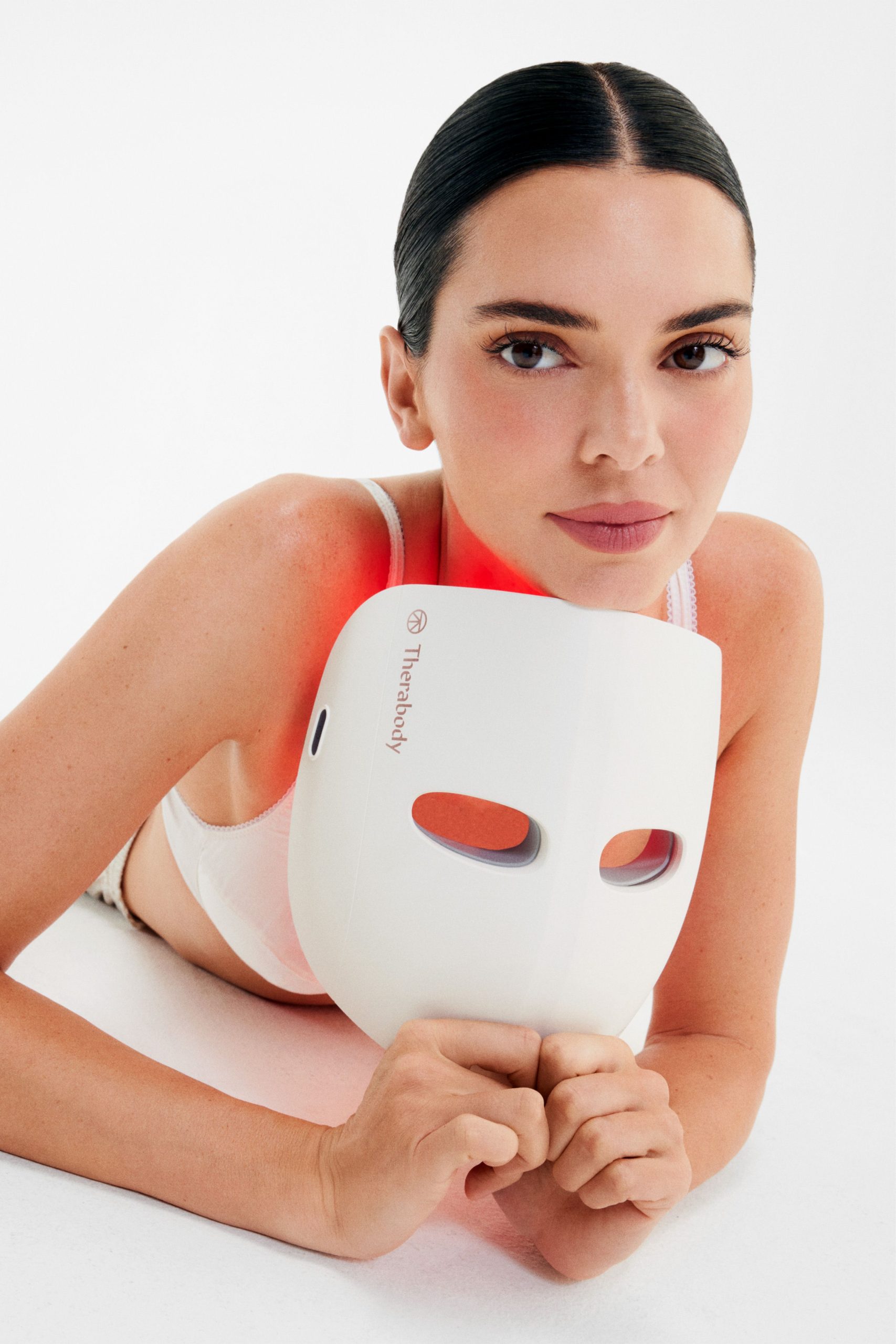
Therabody launched its first Theragun massage gun in 2016, before strictly selling massage guns for around four years and eventually expanding into other wellness categories including skincare and haircare. In March this year, it expanded from selling its beauty devices in around 300 Ulta Beauty stores in the US to 1,000, as demand for its Kendall Jenner-fronted TheraFace Mask Glo and Depuffing Wand soared. Last week, it extended its light therapy range beyond the face with the launch of its Neck and Chest LED device, a move that chief science officer Tim Roberts says is designed to bring in both new customers and upsell those who already own its Mask Glo.
“Over the last decade, our scientific and engineering leadership led us to explore many modalities that can provide therapeutic benefits to the muscle but also the skin, which drives our innovation into new growth opportunities,” Roberts says. “Existing Mask Glo users might also be looking for a solution for their décolleté, or it could be a brand new consumer to our brand who is looking for rejuvenating benefits for the skin in that area and sees we have completed the largest clinical study of any device in this category.”
Retailers are seeing a similar opportunity. At Healf, customers who initially come to the platform for a particular device often go on to buy others, creating opportunities for repeat purchases beyond the initial investment. “For most buyers, the device is where their routine starts, not an add-on. After, they build out with multivitamins, gut health and more longevity products,” McCree says.
Eight Sleep, on the other hand, is concentrated on building more capabilities for its hero technology rather than moving into unrelated wellness categories. Its membership model — which ranges from $17 a month for its standard tier to $33 a month for its elite tier — generates recurring revenue alongside hardware sales, while upgrades and trade in incentives encourage customers to replace older pods. In the US, existing customers can receive up to $1,000 off a new device through combined upgrade discounts and trade in incentives.
Build trust beyond the hype
Social media can propel a wellness device into the spotlight, but visibility alone is no guarantee of lasting sales. As with the beauty category, consumers are scrutinizing the science behind products and looking for evidence that they deliver on their claims.
“Consumers are more educated than ever before and more invested in the science behind a brand and product,” says Roberts. “Five years ago, an endorsement from a favorite celebrity might have been enough. But today, the consumer is looking beyond that to see if the brand and product is recommended by medical professionals such as dermatologists, and looking for real scientific evidence that the product works.”
For Therabody, scientific validation is central to product development. Roberts says its scientific and engineering teams use the latest research and clinical studies before beginning R&D, to substantiate the benefits of each type of device. That investment also provides a way to differentiate premium devices from cheaper competitors making similar claims in their marketing, without the clinical studies to back them up.
Forty percent of Eight Sleep’s sales come from customers who first discovered the brand through recommendations from friends or family who experienced a material improvement in their sleep, Zatarain says.
“For us, word of mouth is the most powerful marketing tool,” she continues. “And that’s only possible because people are actually saying, ‘I’m sleeping better when I sleep on my Eight,’ which is what all our product development is focused on.”
Bon Charge is taking its devices beyond social media feeds and into fitness and recovery settings, where consumers can see how the technology might fit into their routines.
But influencer marketing remains another important channel. In the first half of 2026, revenue attributed to its creator affiliates increased 32.5% year-on-year, while the channel’s conversion rate rose 62.2%. Revenue attributed to newsletter influencers grew 16.1% in the period, with conversion rates up 87%.

That emphasis on lasting value reflects a broader change in how consumers approach wellness spending. McCree says Healf is seeing a shift into the “anti-optimization” trend across consumer purchasing behavior on the site, moving away from accumulating products and tracking evermore metrics, toward assessing which purchases make a meaningful difference.
“We’re seeing more priorities resetting. Many consumers, particularly those deepest in their wellbeing journeys, are shifting from always-on, optimizing everything, to focusing more on the basics and the fundamentals of wellbeing,” he says. “Many consumers are now zooming out to evaluate what rituals and products make them more ‘well’, instead of endlessly adding more to their stacks and routines.”
This shifts the challenge away from brands needing to convince and educate consumers about their technology to demonstrating why it deserves a permanent place in their routines.