Amid escalating scrolling exhaustion and influencer antipathy, brands are repositioning to meet audiences’ demand for credible entertainment over disposable content.Amid escalating scrolling exhaustion and influencer antipathy, brands are repositioning to meet audiences’ demand for credible entertainment over disposable content.

As we’ve grown accustomed to in the age of social media trend cycles, Instagram rolled out yet another update last week. But rather than the usual micro-adjustments, the platform’s announcement of Features — allowing creators to upload horizontal videos of up to 90 minutes — heralds a more radical shift. After years of establishing the dominance of short-form-everything and laying waste to traditional broadcast channels, social media platforms are now planning for a future built around bona fide entertainment: programming across long-form and medium-form, serialized, and genre-agnostic formats, spearheaded by creators and adopted by brands. Welcome to the age of creator TV.
A transformation from social media to entertainment media is intensifying. TikTok’s rewards and subscription benefits now favor longer-form videos. Substack is encouraging its essayists to produce live video events. YouTube has launched Stations, letting creators run always-on channels for rolling longer-form content. Viewing functionality is changing, too: Instagram is becoming smart-TV compatible (more than half of YouTube watch-time in the UK now takes place on TVs).
Max Cocking and Louby Mcloughlin, co-founders of social-first digital content agency Dislo, which has worked with Ferragamo and Fendi, describe this as the juncture where brands need to acknowledge “clip fatigue” and dare to encourage “more mindful and thoughtful consumption”. “You can buy engagement, you can buy attention, but you can’t buy resonance. This is what Instagram has realized: you can’t get that from clips anymore. Longer-term storytelling is what builds relationships and authority,” says Cocking. “Brands should be commissioning series, not posts,” Mcloughlin adds.
The creator media universe
The smartest content creators are already “flipping their original ideas into social-first TV”, says Mcloughlin. We’re in a purple patch for culturally credible ‘internet shows’: episodic social media productions synthesizing documentary, interview, and pop culture critique. Energized by plentiful memetic internet parlance, these shows are becoming standalone legitimate, admired entertainment franchises.
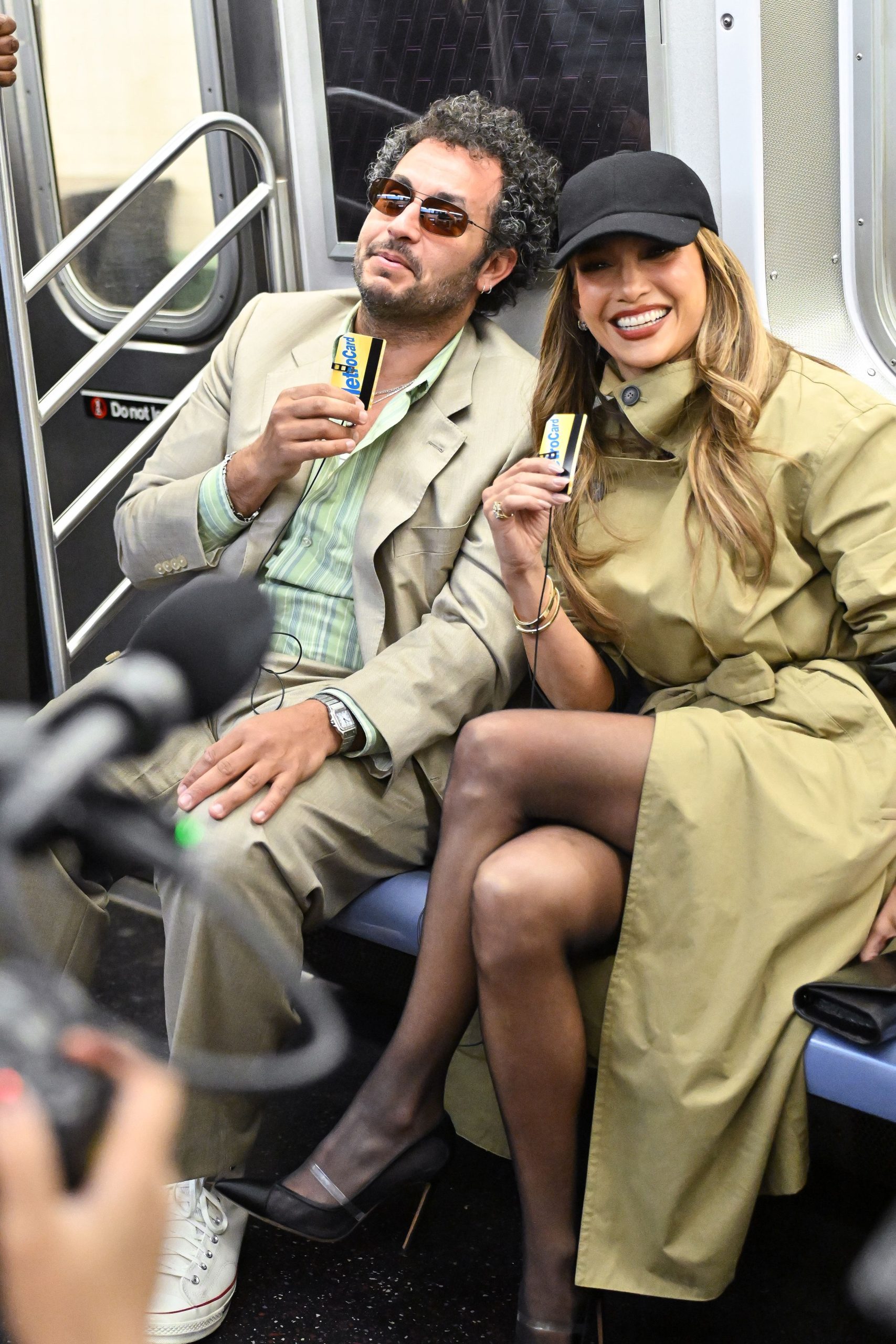
On-the-rise examples include Noah Blau’s Errands, a lo-fi docu-series elevating everyday mundanities into mini-odysseys; Jack Coyne’s Track Star, a music-based interview show sitting at the top of the tastemaxxing pyramid; comedian Kareem Rahma’s Subway Takes, handing the mic to guests sharing ‘unpopular opinions’; and Revival of the Fittest, a slow, surreal paean to a stalwart record store. Brands are already starting to borrow these shows’ watchability and cultural cachet by backing (rather than hijacking) their formats: for instance, dating app Feeld sponsors episodes of Interior Motives, a queer-coded show that critiques people’s bedroom decor.

According to Chelsie Hares, writer and researcher at trends intelligence business Stylus, “creator-led entertainment pairs the allure of social media’s relatable figures with storytelling that is worth viewers’ time investment. As audiences worry about the cognitive toll of unfulfilling content, these shows offer the familiarity of the feed, but take people beyond the same-old scroll towards the higher caliber of TV.”
Fashion trend analyst and brand consultant J’Nae Phillips sees these shows as an evolution of the creator model towards something more sustainable. “The distinction between ‘creator’ and ‘entertainment producer’ is collapsing as the most ambitious creators are building formats, franchises and production worlds rather than simply posting endlessly interchangeable content,” they say. For brands looking to these burgeoning franchises as they reconsider their marketing strategies, they offer an invaluable blueprint for moving from “interrupting entertainment to helping create it”.

Developments like Instagram Features represent attempts to keep this activity within social media environments, retaining both audience attention and the brands that build visibility from it. In the US, 52% of consumers (73% among Gen Z) say social media is their main way to discover new entertainment, but 44% (60% of Gen Z) say they leave the platforms to consume it in full, per Forbes. Social media platforms don’t want to be a discovery funnel — they want to be an entertainment destination and cultural stage.
Branded entertainment beds in
While the early-2020s script of peak influencer marketing is wearing thin for many, the era of creator TV is inspiring a refresh for consumer-brand relations. In North America, 66% of 13 to 29-year-olds say they’re interested in brands creating original films or content series in place of traditional advertising, according to YPulse. Consumers are inviting brands to echo creators’ new direction as cultural arbiters and creative forces, “thinking less in terms of campaigns and individual assets”, says Phillips, “and more about building formats and franchises that can generate cultural equity over time”, and letting the hard sell take a back seat. Lucinda Bounsall, founder of culture-led social strategy agency Sibling Studio, agrees: “Brands don’t become meaningful through isolated moments of visibility. They become meaningful by creating things people recognize, connect with and want to return to.”
These new possibilities will provide particularly fertile ground for fashion marketing, “because the best fashion brands already understand the value of building worlds and narratives, acting like cultural publishers rather than conventional advertisers”, explains Phillips. As brands rush to join the global microdrama boom, many of the most successful branded versions have come from fashion, including Crocs, Marc Jacobs and Banana Republic. Elsewhere, fashion marketing has been experimenting with social media-native storytelling formats for some time: Alexis Bittar, founder of the eponymous jewelry and accessories brand, is a pioneer in using serialized, fictional content in place of traditional marketing via ongoing mockumentary series Bittarverse (launched in 2023) and 2026 true-crime parody The Sexecutions of Amanda Gates. In these shows, fictionalized characters live out sensational micro-dramas wearing the label.
Instagram content
“I was finding traditional marketing completely uninspiring,” says Bittar. “I wanted to wake people up, to tell stories that were more complex and nuanced. I didn’t want to do the hard sell; I wanted to keep the viewer interested in a narrative. And that builds community; storytelling helps people relate, build interest, and keep returning.” And it’s paid off, generating robust brand equity and attracting new consumers to the brand, he says. “It’s allowed me to create a more fully formed ethos and world around the brand. Much of luxury fashion is about making people want to be part of an elite club, but I wanted more inclusivity, more complexity. The result is real loyalty to the brand.”

This is also a moment to reconsider social media’s mass-appeal imperative. “Success doesn’t necessarily have to mean mass attention. There’s an enormous opportunity for brands to create something smaller and more meaningful to a particular audience,” says Bounsall. In the worlds of fashion, design, and culture, the brands willing to pursue niche appeal are taking inspiration from creator-led internet shows’ tastemaker positioning, using their own cultural cachet to “tune into the more specific fandoms around their brand in a way that can scale in longer form”, says Cocking. Take StockX’s Listed, a new original video series inviting fashion collectors to show off their grail pieces, with showcased items shoppable on the StockX platform. Figma, meanwhile, has launched Source Material, a series featuring creatives and designers explaining their inspiration.

Making more of the marketing menu
As the entertainment axis shifts, marketers’ options will diversify, not contract. Clips and short-form video will stick around, but increasingly as “trailers, discovery mechanisms and entry points into longer-form worlds”, says Phillips. Branded entertainment for social media’s TV age doesn’t always have to be super slick, either. “Sometimes the more polished something becomes, the more it starts to feel like an ad. The brand investment should be in the ideas and talent, not necessarily the production values. What entertainment needs most is a point of view,” says Bounsall.
A redrawn brand-creator continuum beckons, with more “creators owning their franchises”, says Cocking, with brands acting as backers rather than upfront advertisers. Further platform functionality updates from Instagram and YouTube will encourage more creators into serialized storytelling, paving the way for long-running, brand-backed creator TV living on socials, with major e-commerce and promotional potential. And even as influencer marketing’s effectiveness wanes, it’s crucial that brands don’t bypass the richness of a recalibrating creator community in their haste to produce their own entertainment, says Bounsall. “Fashion has a long history of nurturing creative communities, whether that’s photographers, musicians, artists or designers. Why shouldn’t the next generation of creator comedians, writers and entertainers be part of that?”