US luxury spending has propped up the industry in 2026. Does heightened anxiety about the economy risk puncturing the boost?US luxury spending has propped up the industry in 2026. Does heightened anxiety about the economy risk puncturing the boost?

Ahead of Tuesday’s midterm elections, US consumer anxiety is at a high.
Thirty-four percent of respondents to an Economist/YouGov survey conducted in October considered the economy and inflation to be the most important issues facing the US. Sixty-seven percent of respondents said they disapproved of President Trump’s handling of inflation. And, when asked how they felt about their futures compared to 10 years ago, 48% said they were more pessimistic.
So why is everyone still shopping?
If the midterms impact on consumer spending will be minor, how is the rest of the year shaping up for the American shopper as we approach the high-stakes holiday season?
The new normal
It’s now widely accepted that consumer sentiment doesn’t necessarily align with what people are doing with their money. “There has been a growing disconnect between how people say they feel and how they act in terms of spending and buying, including on fashion,” Saunders says. “Despite the gloom, consumers have been spending more on apparel.”
This splintering began after the pandemic, and has been referred to as the “vibecession”, wherein people are downbeat about the economy even if they’re doing financially OK. “Sentiment measures mood and, I would argue, empathy. Consumers may feel personally OK or living comfortably because of their wage gains, but feel others cannot be in a good spot or living comfortably,” Christine Barton, managing director and senior partner at BCG, explains. “Consumers can be trusted about themselves and their households; just not good judges about the economy and real consumption.”
This disjuncture partly stems from the fact that caution and uncertainty are now embedded into the consumer psyche, he adds. Because of this, continued anxiety is unlikely to change the trajectory of the luxury or fashion segments. “What will cause a slowdown is if consumers see a tangible and prolonged compression of their incomes,” Fisch says. “We have seen a bit of these things over recent months thanks to high inflation and slower wage growth, but it is not all that pronounced.”
For fashion retailers and brands, this should be encouraging, says Barton. She points to the firm’s recent holiday research, which found that clothing and shoes are the top planned Black Friday purchase category across every generation in the US, with purchase intent increasing across all age groups compared to last year.
Though US consumers are still spending, they’re doing so in a more researched and considered way, analysts flag. “People are thinking more deeply before they buy and are undertaking more activities like price checking — that’s the area where we’re seeing the shift,” Saunders says. Barton points to a recent BCG survey, whereby 91% of consumers actively research their fashion choices before making a purchase and 53% identify quality for the price as the biggest driver of value.
“Consumers are clearly feeling the pressure of higher prices, but that doesn’t necessarily mean they’re pulling back on spending,” says Barton. “What we’re seeing instead is a greater emphasis on perceived value, and making sure purchases feel personally worthwhile.”
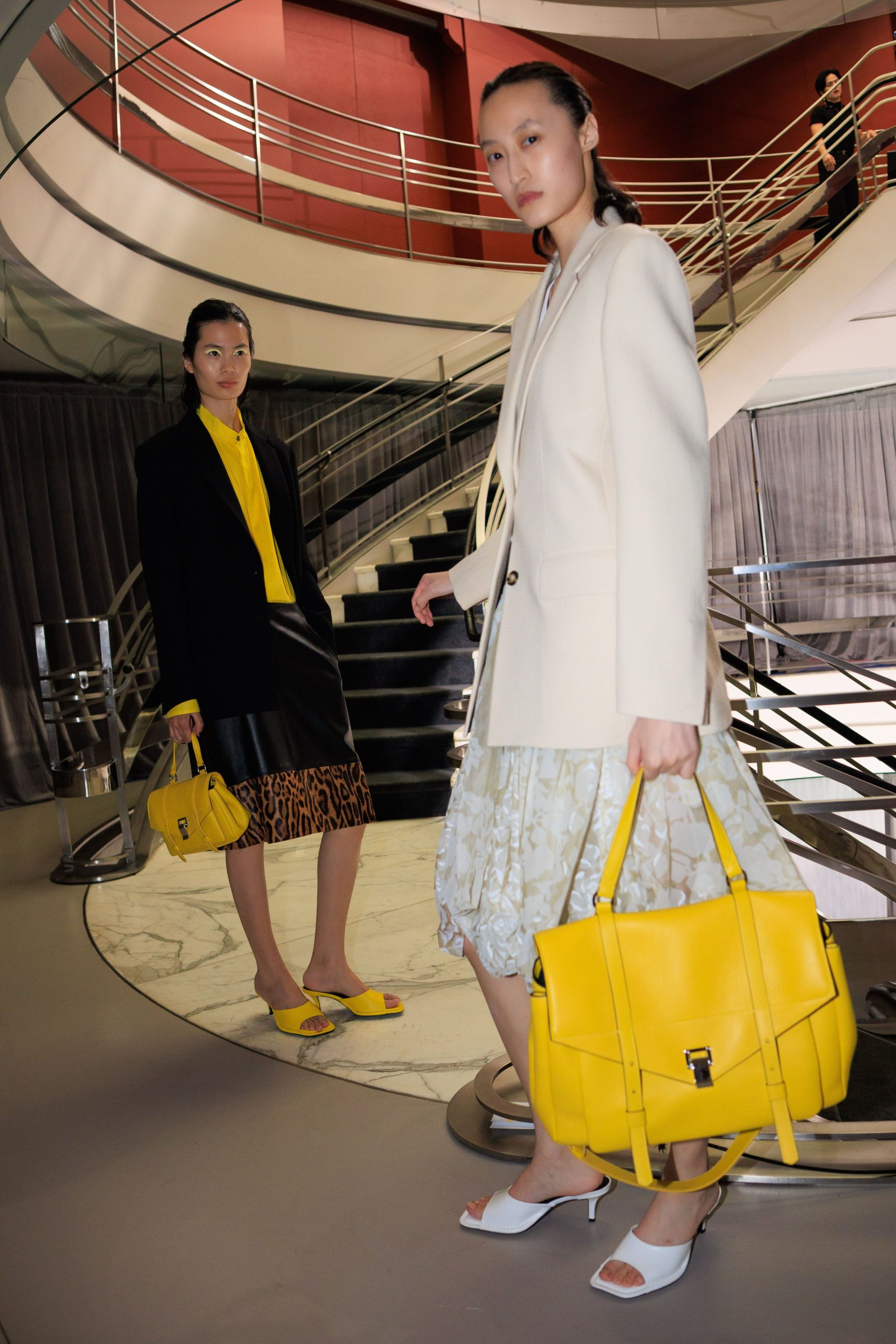
This, Fisch flags, is why the advanced contemporary category is doing the best of his portfolio. “The consumer is seeing a lot of value for their money. It’s on trend, it’s great product, it’s great quality, and they’re struggling with the price increases that true luxury has gone through over the past few years,” he explains. “You have to look at those two together and say, ‘Oh, the consumer is really quite strong. It’s just the high luxury priced a lot of people out.’” This is evidenced in the success of brands like TWP and Harris Tapper, which are operating at a price point that’s steep, but well below that of luxury brands. Per BCG’s Center for Consumer Insight (CCI) research, 67% of respondents wouldn’t buy a product, even if they could afford it, unless they feel it offers strong value, Barton says.
This attitude will inform US holiday shopping habits, as seasonal deals boost spending further, analysts expect. Eighty-five percent of consumers plan to shop year-end sales events (like Black Friday) this year, up 2 percentage points from 2025, with clothing and shoes leading purchase intentions across every generation, per BCG. “We saw this for the last several holidays, where pent-up demand in the ‘want’ categories and purchases were delayed into holiday spending,” Barton says. “What matters for brands is understanding that consumers can feel anxious about the future while continuing to spend in the present.”
“The US is going to drive growth as it has for the prior three quarters,” Fisch says of Q4’s holiday season, often the most important quarter for brands. And beyond that, into 2027? “I don’t see anything that would lead me to believe that it won’t be a growth year in the US.”
More from this author:
More Pieces, More Possibilities: How to Merchandise Maximalism
More Planned Riots Put Off Art, Fashion and Sport Events in Paris
Cinched Waists and Freaky Shoes: The Vogue Business SS27 Global Buyer Report