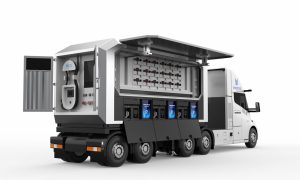
Made from more affordable and more abundant materials than li-ion, sodium batteries promise more abundant and more affordable electric vehicles – but will sodium batteries be practical for commercial trucks? Chinese truck brand FAW Jiefang is working to find out.Made from more affordable and more abundant materials than li-ion, sodium batteries promise more abundant and more affordable electric vehicles – but will sodium batteries be practical for commercial trucks? Chinese truck brand FAW Jiefang is working to find out.
Made from more affordable and more abundant materials than li-ion, sodium batteries promise more abundant and more affordable electric vehicles – but will sodium batteries be practical for commercial trucks? Chinese truck brand FAW Jiefang is working to find out.
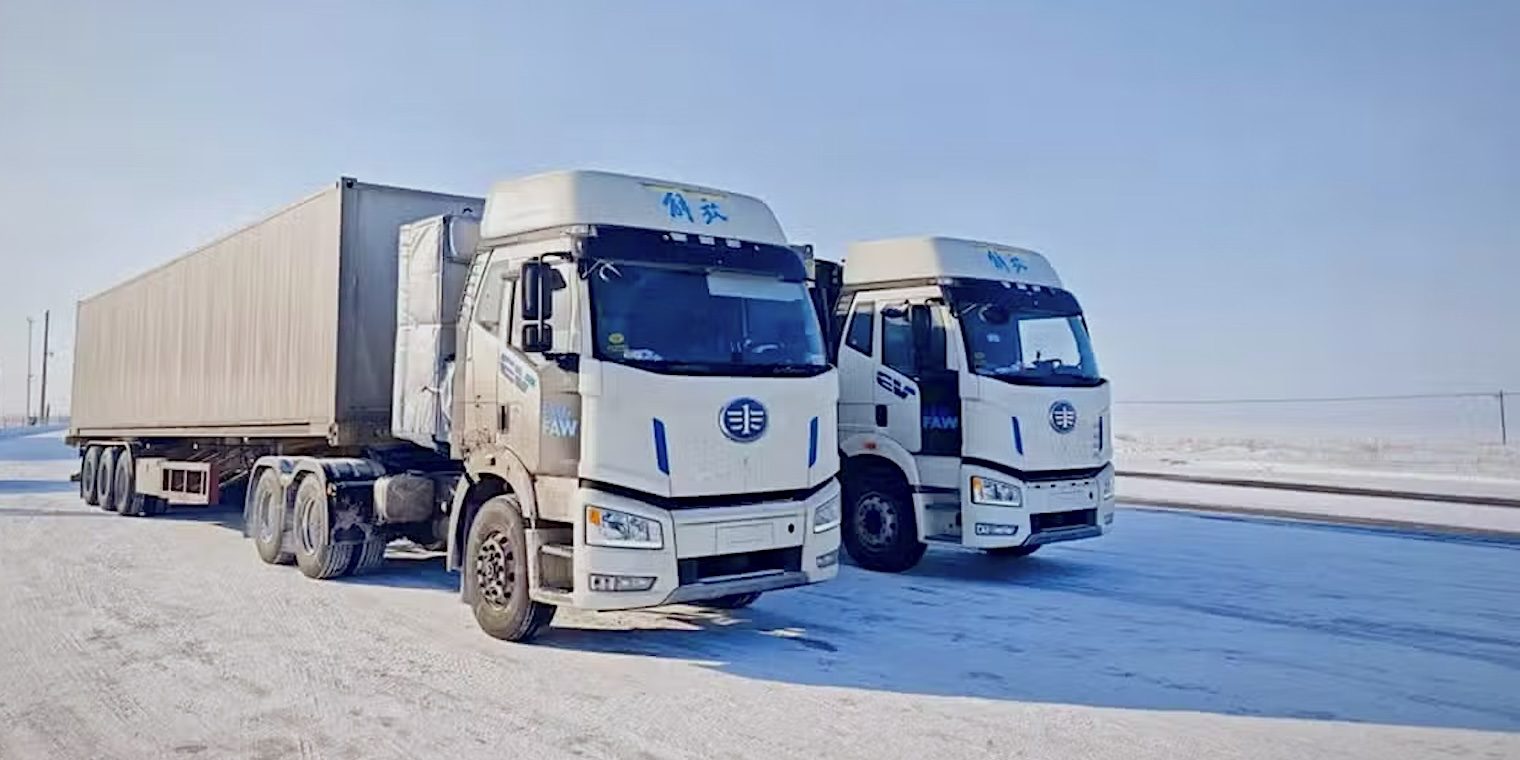
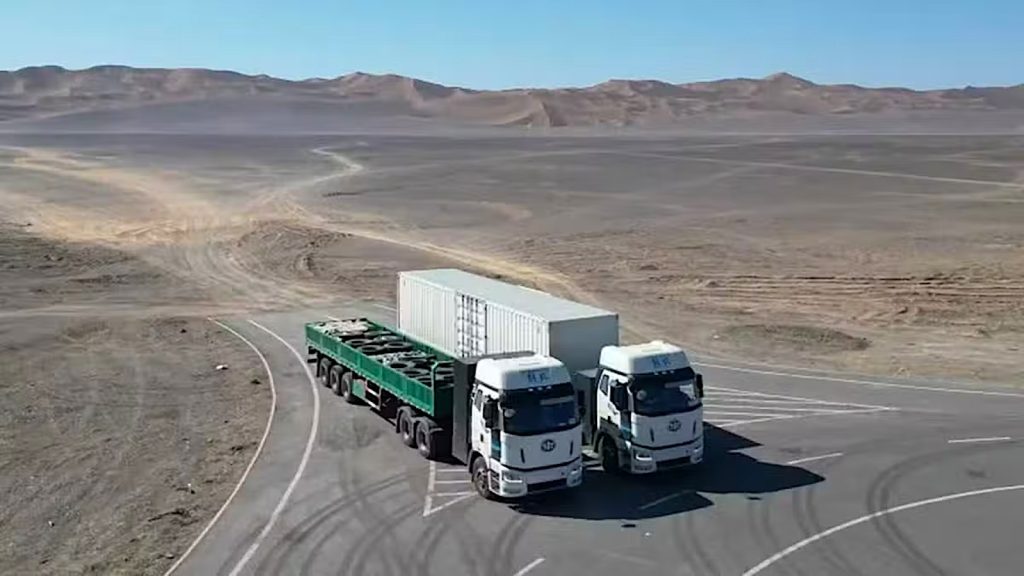
Chinese heavy truck brand FAW Jiefang recently completed a full-condition, systematic test that ran for nearly seven months and covered more than 15,000 km (~9,350 miles). The tests closely tracked its electric truck fleet’s real-world operations in both extreme heat and cold, relying on continuous service-style operations (as opposed to laboratory test cycles) that exposed the sodium-ion battery packs to the kinds of stresses electric trucking fleets actually face on a daily basis: long-haul runs, repeated charging sessions, and constant exposure to changing road and weather conditions.
At -40°C, the 339 kWh sodium-ion battery pack co-developed by FAW and battery supplier Zhongke Haina retained more than 90% of its usable capacity – more than enough to ensure it can reliably meet the freight needs in the coldest regions of northern China, where nighttime temperatures can frequently plummet to -20°C in areas like Harbin and Shenyang.
Advertisement – scroll for more content
Zhongke Haina says the FAW Jiefang tests also proved out claims of faster charging and improved battery safety.
“A full charge takes only 20-25 minutes, significantly reducing refueling time and effectively improving logistics and transportation efficiency. Furthermore, the battery has a cycle life exceeding 8,000 cycles under fast charging conditions, far surpassing industry standards,” reads Zhongke Haina’s official WeChat account (translated using Google Translate). “Sodium-ion battery materials have a milder chemical system and outstanding thermal stability, perfectly matching the operational needs of commercial vehicles for high-frequency heavy loads, all-weather high intensity, and high safety standards.”
FAW Jiefang believes the test has established them in the broader race to commercialize sodium batteries as the industry as-a-whole looks for an alternative to lithium that balance cost and performance. Other Chinese companies like CATL and BYD are also in that race, with the former committing more than $700 million to build out a 40 GWh annual sodium battery production capacity plant in Fujian, and the latter claiming it has developed a new, long-life sodium battery good for more than 10,000 charging cycles.
The race is on.
SOURCE | IMAGES: Zhongke Haina, via CNEVPost, NaCells.
If you’re considering going solar, it’s always a good idea to get quotes from a few installers. To make sure you find a trusted, reliable solar installer near you that offers competitive pricing, check out EnergySage, a free service that makes it easy for you to go solar. It has hundreds of pre-vetted solar installers competing for your business, ensuring you get high-quality solutions and save 20-30% compared to going it alone. Plus, it’s free to use, and you won’t get sales calls until you select an installer and share your phone number with them.
Your personalized solar quotes are easy to compare online and you’ll get access to unbiased Energy Advisors to help you every step of the way. Get started here.