“How to Be Less Useful: The Joy of Inefficiency” is out now from Knopf.“How to Be Less Useful: The Joy of Inefficiency” is out now from Knopf.

It’s no secret that between work, family responsibilities, and the stress of living in a country with little in the way of a social safety net, many Americans—especially mothers—feel maxed out. In 2026, the concept of “doing it all” isn’t heroic or aspirational; it’s simply surviving.
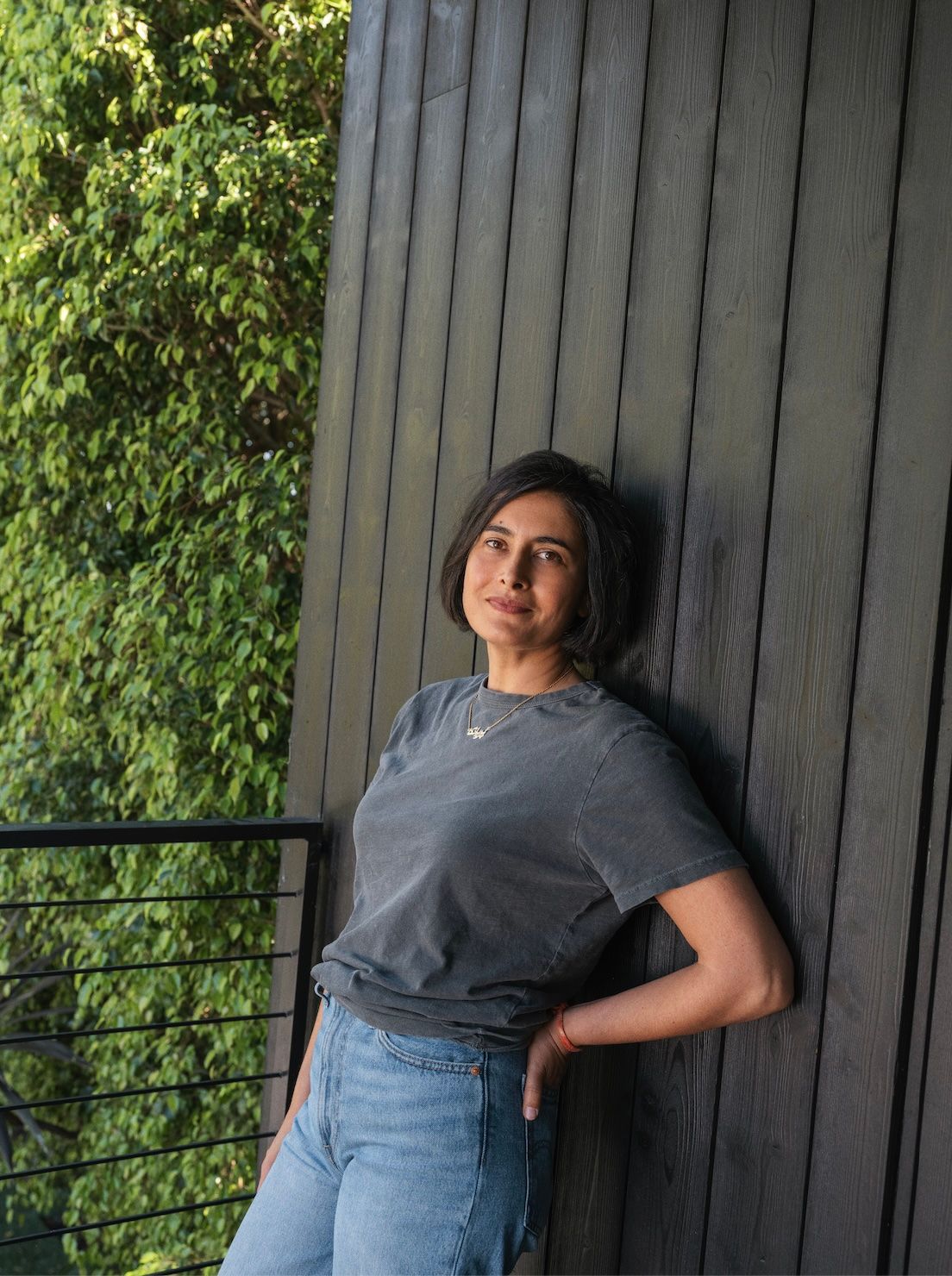
When author Priyanka Mattoo took stock of her busy life in Los Angeles—as a mother of two and the eldest daughter of Kashmiri immigrants—she considered what would happen if she stopped instinctively meeting the needs of everyone around her. The result of that private experiment is her new book How to Be Less Useful: The Joy of Inefficiency, a delightful and useful account of trading compulsive productivity for (gasp) fun. It reads like a gentle yet firm pep talk to stressed-out overachievers everywhere.
Vogue spoke to Mattoo about the lessons she learned from writing her first memoir in 2024, resisting the urge to peel her kids’ oranges, and taking inspiration from Jenny Odell and Nigella Lawson.
Vogue: How did writing this book compare to the process with your first memoir, Bird Milk & Mosquito Bones?
It’s the question of: What’s going to happen if I stop doing everything? Is everything going to fall apart? And you really don’t know until you try it. What I found was that much less fell apart than I thought would. I was clearly working with a very anxious brain and constantly thinking of the worst-case scenario. In the gap that I left, everyone was able to fill most of it. Everyone around me was just like, “Oh, you’re not going to peel my orange? I’ll peel my own orange. That’s fine.”
How do you redirect the impulse to do things for your kids that they can do themselves?
It’s such a process—first of self-awareness and understanding when you’re jumping in to solve someone else’s problems even when they should do it, and then realizing that your over-functioning causes deficits in other people’s skill development. I’m not just talking about my kids; I’m talking about my parents and my sibling and everyone in my life. I had over-functioned on every front, and once I pulled back and recognized the impulse to jump in and help, which happens to me a thousand times a day, I learned to quiet it and then see what happened. Once I started quieting it, which was very uncomfortable, and waiting to see what happened, which is also very uncomfortable, I was so pleasantly surprised. I learned I had been so arrogant and so controlling that, of course, everyone around me now actually wants to hang out with me instead of that eldest-daughter meme of “Oh God, here she comes.” I still think there’s a little streak of that, but I think I’m much more pleasant to be around.
Who are some of your doing-less icons?
Everyone I know does too much. It’s just kind of the nature of a coastal, high-achieving milieu, right? When I first handed in the book and we were talking about who I wanted to blurb it, she does so much, so I feel crazy even bringing her up, but as far as an aspirational lifestyle icon: Nigella Lawson.
Totally.
She was one of them, and then on the other end is Jenny Odell, who wrote How to Do Nothing. I read it right when it came out and was like, I need to start rethinking my relationship to time. That is probably really where the seed for this book started. Nigella and Jenny Odell are both women who do a lot, but they seem to enjoy and appreciate what they’re doing.
This conversation has been edited and condensed.

How to Be Less Useful: The Joy of Inefficiency