A growing trend of TikTok Shop accounts commission influencers to push counterfeit items to thousands of viewers.A growing trend of TikTok Shop accounts commission influencers to push counterfeit items to thousands of viewers.
Six individuals were arrested in London for allegedly selling counterfeit clothing via TikTok that led to the seizure of nearly 1.5 million pounds’ worth of counterfeit goods and sneakers.
The six suspects, whose names were not released, were charged with suspicion of distributing goods bearing false trademark, under the Trademarks Act 1994, and have been released. Authorities in London continue to investigate the case.
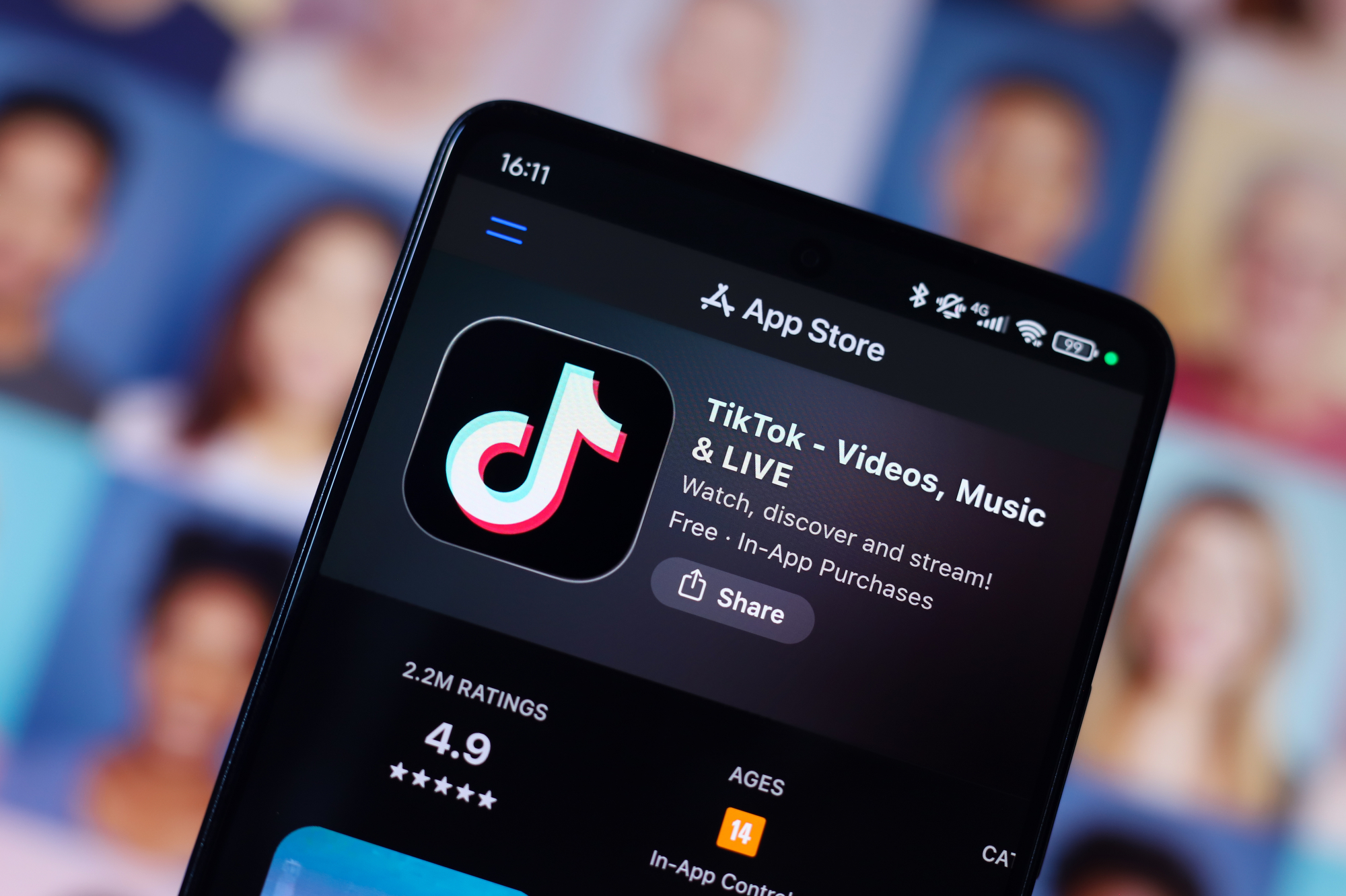
The City of London Police department’s Police Intellectual Property Crime Unit carried out what was described as “a major operation targeting a growing trend of TikTok shop accounts using influencers to push counterfeit goods to thousands of viewers.” It was not revealed if the influencers were aware that the goods were counterfeit.
British authorities said these accounts frequently “livestream from warehouse-style setups, showcasing large amounts of stock while claiming the items are genuine in response to viewer comments. The content is designed to drive rapid sales directly through the app.”
A media request to TikTok was not immediately returned on Monday. As part of ongoing efforts to crack down on the sale of counterfeit goods, PIPCU officers worked closely with industry partners to execute warrants in Rotherham. After entering a warehouse, officers found a suspect livestreaming on TikTok selling counterfeit goods. The livestream was stopped and officers carried out a warrant, according to authorities. The operation involved a commission scheme which rewarded influencers with higher earnings for every item sold during their livestreams, according to the authorities. And as a sign of consumers’ interest in the sock trend, authorities seized 115,000 pounds’ worth of counterfeit socks.
In a statement, PIPCU detective sergeant Jamie Kirk said the investigation “shows how the sale of counterfeit goods has evolved, moving from traditional market stalls to modern apps and online marketplaces. In this case, influencers were used to promote and sell counterfeit products to large audiences.”
He also said, “This case should send a clear message to anybody selling counterfeit goods online: it is illegal and we will take action.”
You May Also Like
Globally, brands and designers continue to grapple with how to curb counterfeit goods, which includes fashion, fragrance, handbags, sneakers and other categories. In the U.S., counterfeit goods are said to cost the U.S. economy between $29 billion and $41 billion by diverting sales from purchases of legitimate goods, according to a report issued by the Commission on the Theft of Intellectual Property by the National Bureau on Asian Research. Counterfeit trade has reportedly tracked at more than $450 billion annually.
After last week’s arrests, London authorities warned consumers that counterfeit clothing is unlikely to meet any health and safety regulations, in regards to the quality of the products and the conditions under which workers produce the goods. They also noted that many counterfeit items fail to meet safety standards and may be flammable or contain harmful chemicals.
In its “Unboxing Fake Fashion Releasing Real Dangers” report, the American Apparel and Footwear Association determined that 41 percent of the counterfeit apparel, footwear and accessories products that it tested failed product safety standards. In addition, the report claimed that at least 25 percent of the failed counterfeit products were purchased on or marketed through the Meta platform.
TikTok’s site offers users guidance about how to avoid counterfeiting on TikTok, suggesting that they be aware of price, packaging and place. TikTok notes that counterfeit goods are usually priced significantly lower. Fake goods are often sold without packaging, or with low-quality packaging and spelling mistakes. Regarding place, counterfeit goods are usually sold in online marketplaces versus official brand sites or authorized resellers.
Louis Vuitton was listed as the most counterfeited brand, followed by Gucci, Chanel and Prada, according to 2025 data from the authentication platform Entrupy.
Meanwhile, dupe culture is gaining traction with cost-cutting consumers especially Gen-Zers, who often are seeking similarly designed styles to prestige brands that are sold under different brand names and at lower prices. Unlike counterfeit goods, dupes are meant to recreate a look without using or infringing on logos or trademarks.