
Oil company CEOs are starting to sound the alarm. The prolonged closure of the Strait of Hormuz is having a major impact on global oil stockpiles. According to an estimate by TotalEnergies (NYSE: TTE) CEO Patrick Pouyanne, the global economy has burned through 500 million barrels from its inventory this year, a figure that is growing by the day. Since inventories are finite, the world can’t continue on its current consumption track unless supplies rebound.
Here’s a closer look at the current situation in the oil market and whether it’s too late to buy oil stocks.
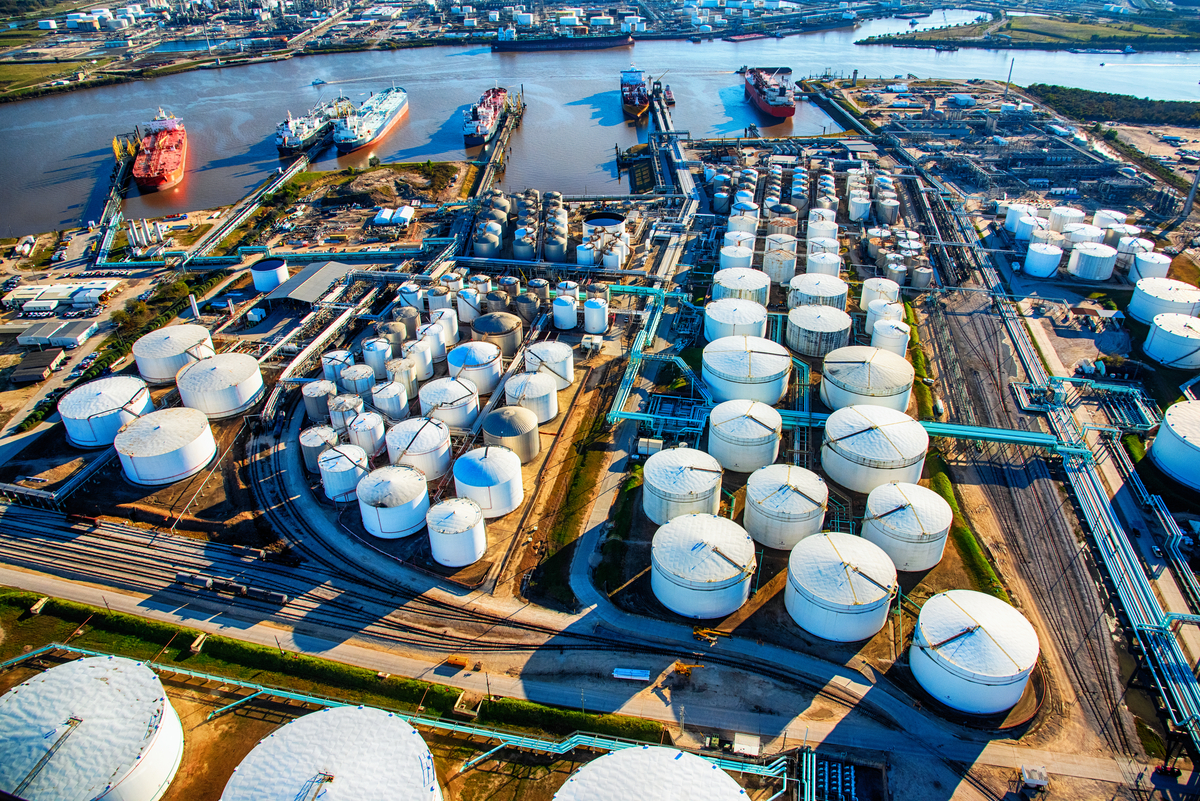
Image source: Getty Images.
The world is experiencing a massive oil supply disruption following the closure of the Strait of Hormuz.
Oil company CEOs are starting to sound the alarm. The prolonged closure of the Strait of Hormuz is having a major impact on global oil stockpiles. According to an estimate by TotalEnergies (TTE +2.48%) CEO Patrick Pouyanne, the global economy has burned through 500 million barrels from its inventory this year, a figure that is growing by the day. Since inventories are finite, the world can’t continue on its current consumption track unless supplies rebound.
Here’s a closer look at the current situation in the oil market and whether it’s too late to buy oil stocks.
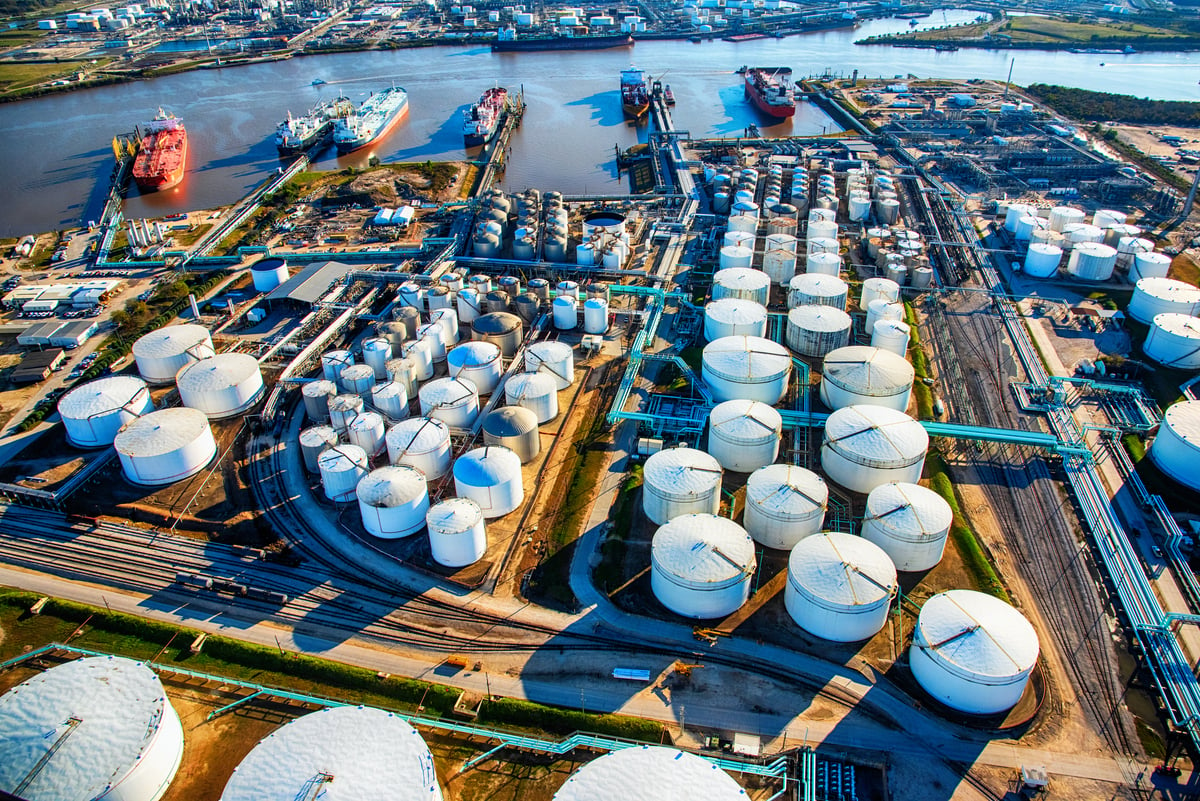
Image source: Getty Images.
Slowly draining the safety net
Oil production in the Persian Gulf has tumbled 57% since the war with Iran began. That’s a massive amount of oil. The world is offsetting this supply shock by drawing down inventories at a rate of 10 million to 13 million barrels per day, according to an estimate by TotalEnergies CEO Patrick Pouyanne. He figures that the economy has consumed at least 500 million barrels from global stockpiles since the war began. To put that into perspective, the U.S. had about 460 million barrels in the Strategic Petroleum Reserve before the war.
Governments and oil companies keep large oil stockpiles to buffer against supply shocks like the one we’re experiencing today. However, it’s not an infinite number. For example, Europe requires that countries keep about 90 days of supply. Meanwhile, global inventories were about 105 days’ worth of supply right before the war began, according to Goldman Sachs. They’re on pace to fall to 98 days by the end of May.
The problem is that even if the Strait of Hormuz reopened today, it would take a while for oil supplies from the Persian Gulf to return to normal. Several countries had to shut down oil wells as above-ground storage tanks filled. According to some estimates, it could take up to seven months to restart a portion of those wells due to the time needed to complete workovers and repressurize the reservoirs. As a result, the world will continue drawing down its stockpiles even after the Strait reopens. Meanwhile, the economy will need to rebuild oil inventory levels once supplies improve, a process that will also take time.

TotalEnergies Se
Today’s Change
(2.48%) $2.19
Current Price
$90.67
The supply shortfall means only one thing
The global oil market will remain tight for a long time after the Strait of Hormuz reopens to tanker traffic. That drives the growing consensus that oil prices will remain high for much longer than most forecasters initially expected. For example, JPMorgan‘s new base case is that Brent oil, the global benchmark, will remain in the triple digits through the third quarter before falling back toward $90 by the end of the year. The bank expects that Brent will be around $80 a barrel next year. Meanwhile, there’s meaningful near-term upside risk for crude prices, which JPMorgan warns could top $150 a barrel this summer if the Strait doesn’t reopen soon.
This outlook is very bullish for oil stocks. Triple-digit oil for much of this year and $80 crude in 2027 positions oil producers to generate much more cash than they initially anticipated, since the consensus was that oil would be in the $60 to $70 a barrel range this year. Most oil companies expected to cash in at that price point due to recently completed expansions and cost-saving initiatives. For example, Chevron (CVX +1.67%) planned to produce an additional $12.5 billion in free cash flow this year at $70 oil, fueled by expansion projects, its Hess acquisition, and cost savings. Chevron is now on pace to exceed that number by a significant margin. That will give the oil giant more cash to repurchase shares and further fortify its already elite balance sheet, enhancing its future financial flexibility. Shares of Chevron have risen only about 20% this year, despite a more than 70% surge in crude prices.
Oil stocks have plenty of fuel to continue rising
The world is facing an unprecedented disruption in oil supplies. The global economy has burned through at least 500 million barrels of inventory, a number that’s growing by the day. There’s no quick fix due to the time needed to restart Persian Gulf production once the Strait reopens and to replenish global oil inventory levels. That means oil prices will remain elevated through next year, which suggests it’s not too late to buy oil stocks.