Finance
JPMorgan Says Oil Prices Still Have Room to Run. Here’s What Energy Investors Need to Know.

Oil prices have already soared this year due to the war with Iran. Brent, the primary global oil price benchmark, has surged over 60% to around $100 a barrel, while WTI, the primary U.S. benchmark, is also up more than 60% to around $95 per barrel.
While oil prices have risen sharply, an analyst at JPMorgan doesn’t believe they’re high enough to reflect the war’s full impact on the global oil market. Here’s what energy investors need to know about the situation.
Image source: Getty Images.
The current oil prices don’t reflect the gravity of the situation in the oil market.
Oil prices have already soared this year due to the war with Iran. Brent, the primary global oil price benchmark, has surged over 60% to around $100 a barrel, while WTI, the primary U.S. benchmark, is also up more than 60% to around $95 per barrel.
While oil prices have risen sharply, an analyst at JPMorgan doesn’t believe they’re high enough to reflect the war’s full impact on the global oil market. Here’s what energy investors need to know about the situation.
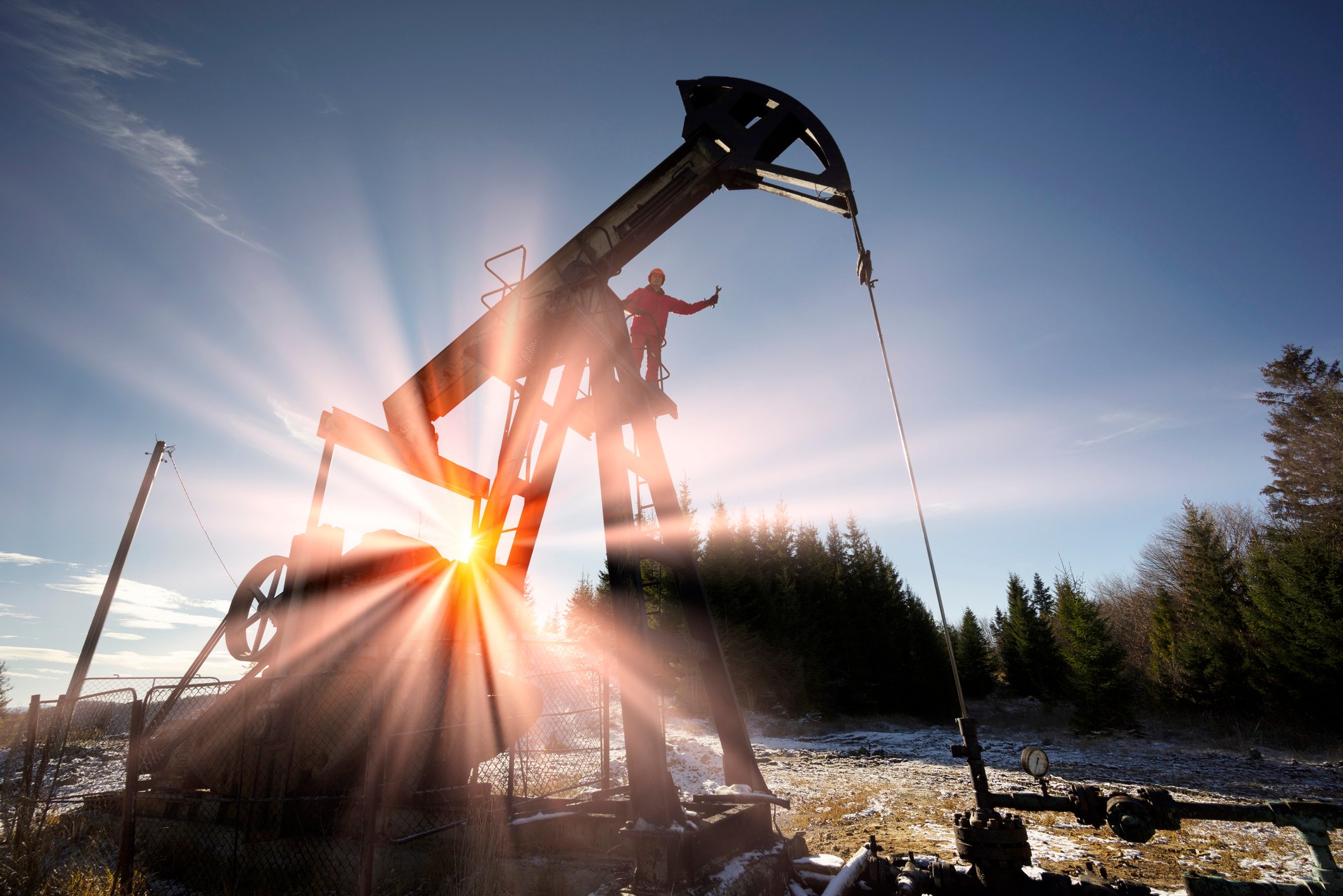
Image source: Getty Images.
A supply disruption of epic proportions
Before the war with Iran, 20% of global oil and liquefied natural gas (LNG) supplies traveled through the Strait of Hormuz between Iran and Oman each day. However, Iran has closed the Strait by attacking ships and laying sea mines, while the U.S. Navy is blockading Iranian ships. As a result, energy exports out of the region have slowed to a trickle.
According to an estimate by Goldman Sachs, oil production in the Persian Gulf is down 57% from its pre-war level, or about 14.5 million barrels per day. Output would be down even more if Saudi Arabia and the UAE weren’t able to export some oil via pipelines that bypass the Straight.
That production won’t immediately resume once the Strait reopens. The Pentagon estimates it could take up to six months to clear sea mines laid by Iran in the Strait. Additionally, Goldman Sachs estimates it will take a few months to restore the region’s production rates to pre-war levels, due to shut-in wells that will require workovers to fully restore output.
Higher oil prices mean higher earnings for oil stocks
All these signs suggest that oil prices will remain higher for longer this year. Goldman Sachs now believes Brent will end the year at $100 if oil flows don’t normalize soon.
This outlook implies that oil companies will make a lot more money than anticipated this year. For example, U.S. oil giant ConocoPhillips (COP +1.04%) initially expected to produce an additional $1 billion of free cash flow this year — it generated over $7 billion in 2025 — driven solely by cost-savings initiatives. That forecast assumed WTI would average $70 a barrel (it was roughly $65 last year). However, with oil likely to remain high for the rest of the year, ConocoPhillips will generate an even bigger gusher of free cash flow. Every $1 increase in the average annual WTI oil price will boost cash flow by $140 million to $150 million, while the same increase in Brent would boost it by $65 million to $75 million.

ConocoPhillips
Today’s Change
(1.04%) $1.27
Current Price
$122.95
Occidental Petroleum (OXY +2.02%) also initially expected to generate more cash this year from its cost-savings initiatives (over $1.2 billion). It’s now on track to reap a much larger windfall from higher oil prices. Every $1 increase in crude prices (Brent and WTI) will boost Occidental’s annual cash flows by $265 million.
Higher oil prices will benefit oil stocks
While oil prices have already surged, they could have further to run and will likely remain high for the rest of the year. That means oil companies will make a lot more money than they initially anticipated this year, which they’ll likely return to investors by repurchasing shares. That could give their shares more fuel to rise, making oil stocks a buy.