Finance
Filling a Ford F-150 with Gas Just Passed a Threshold. Here’s Why That’s Alarming.

With the national average gas price at more than $4.40 a gallon, according to AAA, it now costs more than $100 to fill the 23-gallon tank of America’s best-selling vehicle, the F-150, produced by Ford Motor Company (NYSE: F). That’s a worrying development, given that the biggest engine of economic growth in the U.S. is — by a mile — consumer spending.
For the record, before the war in Iran began, the average price of gas was around $2.98, so filling the same pickup truck then cost about $68. Now it’s 50% more — and that has repercussions for consumers, companies, and investors.
Image source: Getty Images.
It now costs more than $100 to fill the nation’s best-selling vehicle with gasoline.
With the national average gas price at more than $4.40 a gallon, according to AAA, it now costs more than $100 to fill the 23-gallon tank of America’s best-selling vehicle, the F-150, produced by Ford Motor Company (F +2.35%). That’s a worrying development, given that the biggest engine of economic growth in the U.S. is — by a mile — consumer spending.
For the record, before the war in Iran began, the average price of gas was around $2.98, so filling the same pickup truck then cost about $68. Now it’s 50% more — and that has repercussions for consumers, companies, and investors.
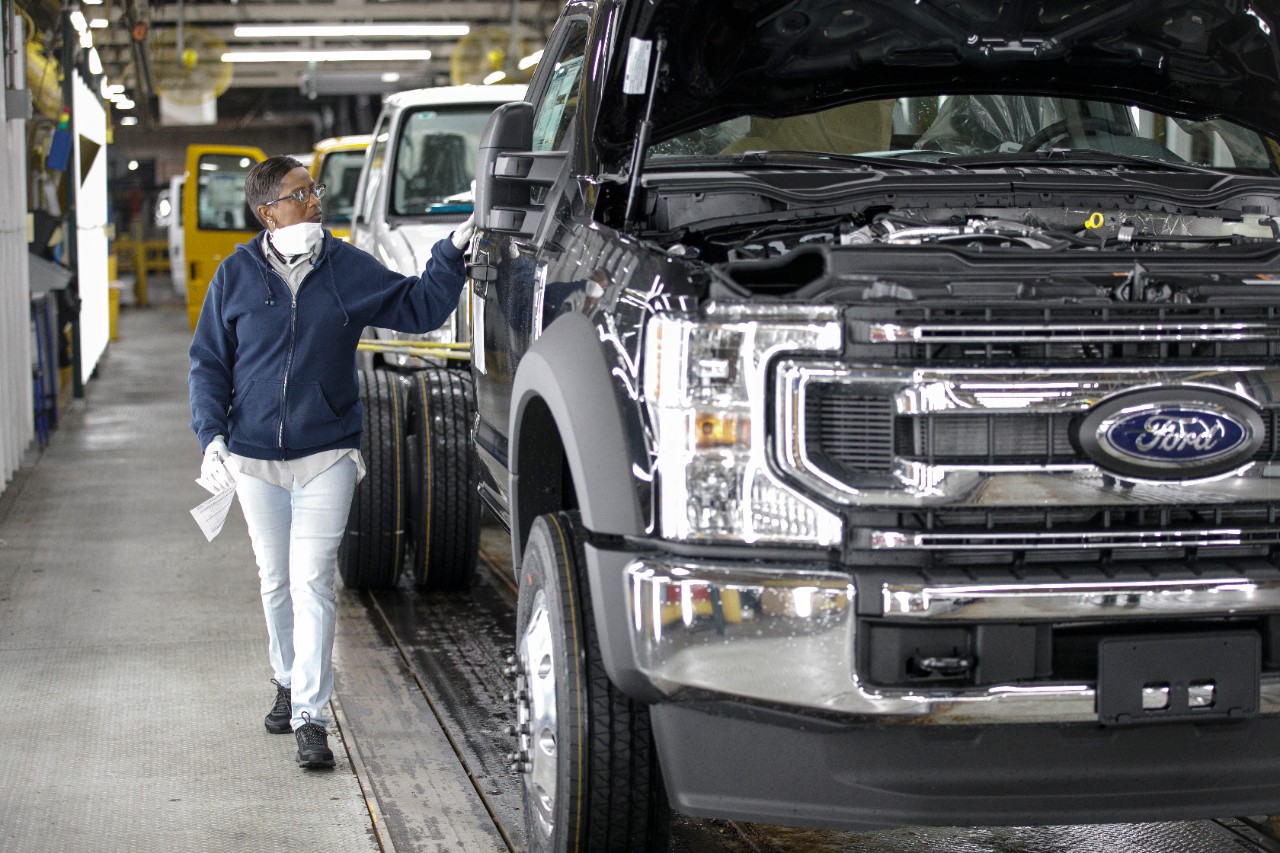
Image source: Getty Images.
Americans are already feeling it. A mid-April poll of 1,000 people conducted by CNBC found that 80% said the spike in gas prices is altering their spending elsewhere. About 6 in 10 respondents said they’ve already cut back on entertainment, such as eating out, movies, and concerts. And more than half of those polled said they plan to travel less.
And that’s showing up in the latest economic data. The first estimate of gross domestic product growth came out last week (the government revises it twice more) and showed that business spending was a bigger driver of economic growth than consumer spending, which slowed its pace of growth in the quarter. And fuel prices only started to spike in the third month of the quarter, so the actual impact is much greater now.
Overall, the 2% economic growth in Q1 was slightly below the historical rate, but not bad. That’s because a surge in business investment, much of it tied to the massive artificial intelligence infrastructure build-out, offset softer consumer spending.
As for consumers, I would also argue that larger tax returns this year, enabled by the tax cuts in last year’s “big, beautiful bill,” are offsetting some of the pain at the gas pump. Those refunds are a one-time bonus, however, and will fade by summer.
Yet it’s not at all clear when oil and gasoline prices will come down, as even after the war ends, oil prices are likely to remain elevated, probably through the end of 2026.
And there’s another, less tangible impact of high gasoline prices on the economy; the price of gas affects Americans’ view of the economy. They fill up often, and it’s getting expensive. Plus, gasoline prices are posted along roadways, and people monitor them. According to a survey by the National Association of Convenience Stores, 7 in 10 consumers say gas prices affect their feelings about the economy. That number rises when gas prices increase.
So it makes sense that consumer sentiment is at a record low, according to the latest University of Michigan sentiment survey.
The impact of all this on the stock market is mixed. While energy stocks are up 31% year to date, as measured by the State Street Energy Select Sector SPDR ETF (XLE +0.32%), many consumer discretionary stocks, like restaurants and apparel companies, lag far behind. McDonald’s and Domino’s Pizza are down over the past month, as are TJX Companies and Lululemon Athletica.
Higher gas prices are just beginning to bite. It’s a trend likely to become more pronounced in the coming weeks and months — and investors would do well to keep a close eye.