I’m willing to bet that the first thing you think of when I mention the word “helium” is balloons. And true, the lighter-than-air gas is what makes balloons float. But it’s also one of the most important, yet also one of the most overlooked, gases for industrial use — especially for semiconductor production.
Helium is the main coolant for the lithographs that etch the silicon patterns on semiconductor wafers. And the war in Iran has crippled the helium industry.
Yet the disruption might actually benefit one chip manufacturer more than it hurts it. I’m talking about the lone American memory chip producer, Micron Technology (NASDAQ: MU).
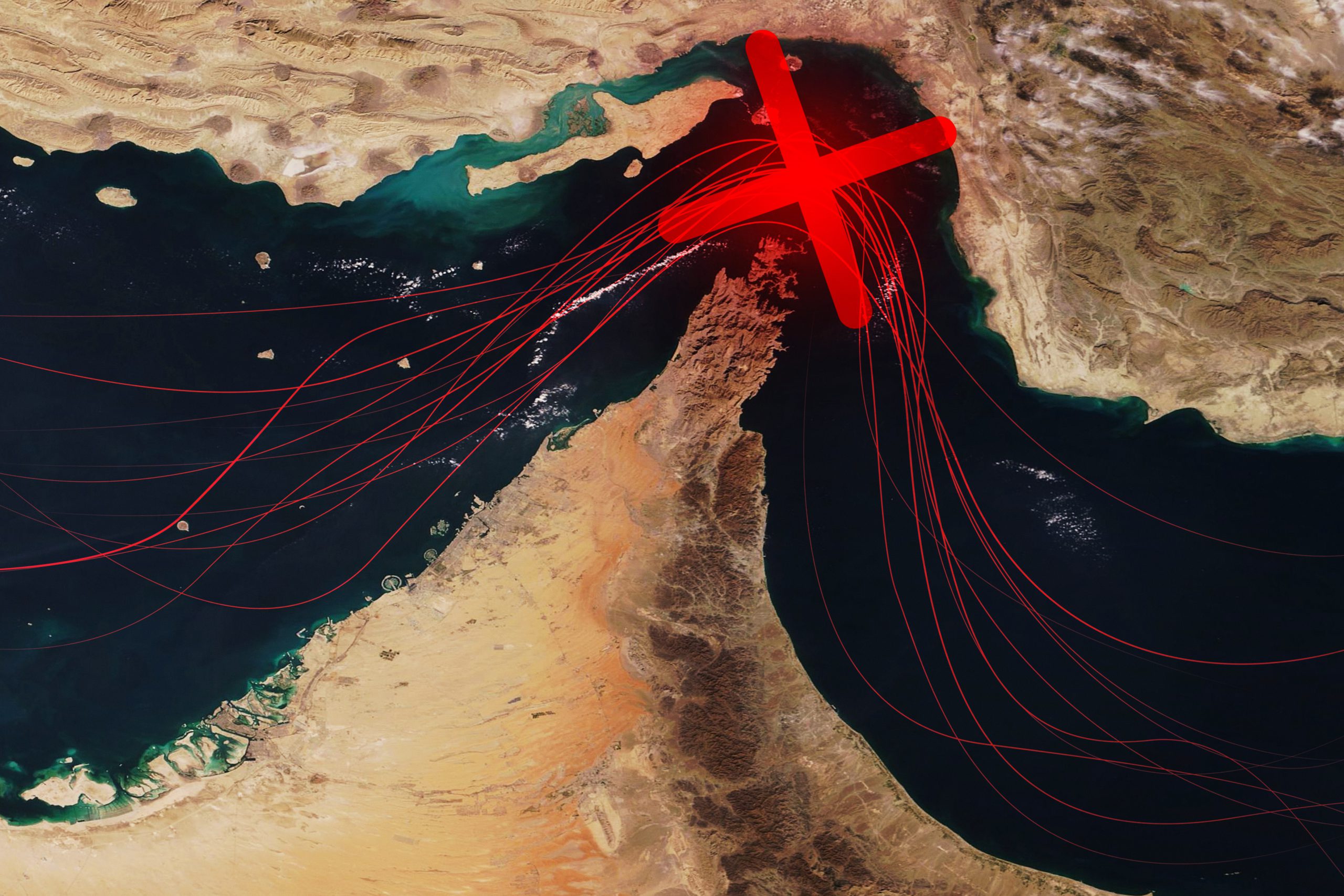
The Strait of Hormuz crisis has created a global helium shortage, but one chip manufacturer is better positioned than its competitors to weather it.
I’m willing to bet that the first thing you think of when I mention the word “helium” is balloons. And true, the lighter-than-air gas is what makes balloons float. But it’s also one of the most important, yet also one of the most overlooked, gases for industrial use — especially for semiconductor production.
Helium is the main coolant for the lithographs that etch the silicon patterns on semiconductor wafers. And the war in Iran has crippled the helium industry.
Yet the disruption might actually benefit one chip manufacturer more than it hurts it. I’m talking about the lone American memory chip producer, Micron Technology (MU +5.52%).
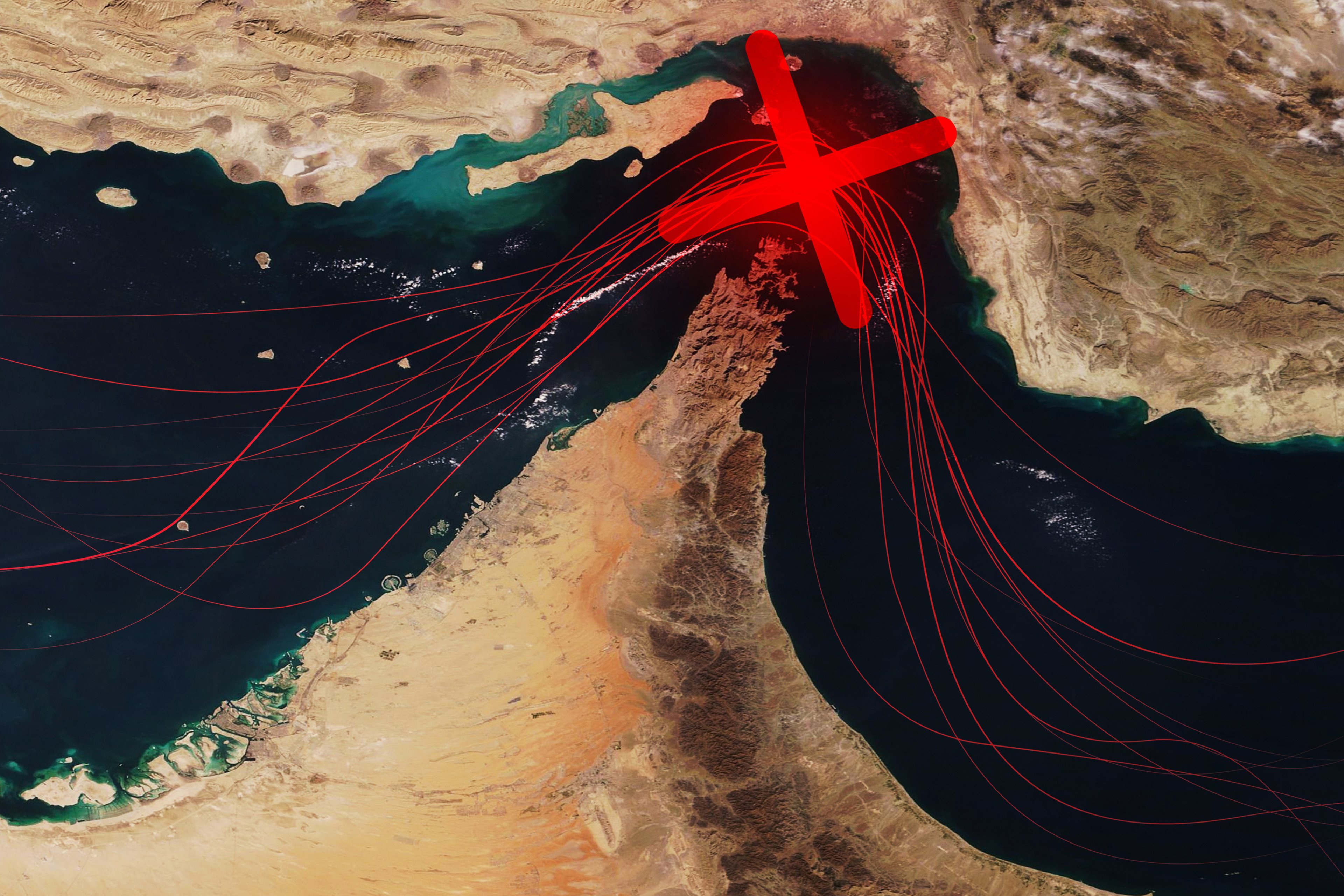
Image source: Getty Images
Lighter than a feather
Let’s start with the problem: The main source of helium is a by-product of natural gas refining.
Two countries are responsible for three-fourths of the world’s helium: The United States produces 42.6% of it, and Qatar produces 33.2%.
But Qatar’s production is down now, after an Iranian missile struck the world’s largest natural gas refinery at Ras Laffan Industrial City in Qatar. The strike took out 17% of Qatar’s total liquefied natural gas capacity, and it could take up to five years to complete repairs.
That missile also disrupted a third of the world’s helium supply, and the countries most impacted by Qatar’s diminished output are in Asia, namely South Korea, which is home to Micron’s two largest competitors, Samsung and SK Hynix.
South Korea imports 64.7% of its industrial helium from Qatar, through the Strait of Hormuz. So, even South Korea’s diminished output is still bottled up in the Persian Gulf amid ongoing hostilities between the U.S. and Iran during ceasefire negotiations.
Other major chip-producing countries like Taiwan, China, and Japan are also affected, but Micron’s only real competitors in memory hardware are both based in South Korea and do the bulk of their manufacturing there or in Asia more broadly. However, both Samsung and SK Hynix have or plan to have factories in the United States.
But essential for heavy industry
The helium shortage also impacts Micron. The company does most of its manufacturing in Asia. However, it owns two factories in the United States: one in its home city of Boise, Idaho, and another in Manassas, Virginia, with a third under construction in New York.
But Micron diversified its helium sourcing years ago, and its American factories should have little problem getting their hands on some, given they are located within the world’s largest producer of the gas.
In 2024, Micron signed a deal with France’s Air Liquide, a major industrial gas company. Per the deal, Air Liquide is spending $250 million to build an industrial gas production facility in Idaho, from which Micron will buy its gas for the foreseeable future.
Even with the factory incomplete at the time of writing, Air Liquide has been Micron’s gas partner for 30 years. It also has a diversified network of sources for its helium, so it’s not entirely reliant upon Qatari helium.
The company gets significant amounts of helium from American natural gas refineries, and the company has been sourcing more helium from its non-Qatari partners to make up for the diminished production from that country.
So, while helium price spikes affect everyone, Micron should be the least affected memory producer.

Micron Technology
Today’s Change
(5.52%) $29.92
Current Price
$572.13
And it lines up a home run for Micron
All three major memory producers are up between 70% and 90% year to date in the midst of a global shortage of memory chips, driven by the demands of artificial intelligence (AI). Chey Tae-won, chairman of SK Hynix, believes the memory shortage will persist until 2030. By that time, the repairs to Qatar’s natural gas infrastructure should be complete.
Of the three major memory producers, Micron is the least dependent on Qatari helium, and it will be even less dependent upon it once its New York factory is complete. So I anticipate the helium shortage will have the smallest impact on Micron’s margins among the big memory companies.
And Micron was already having a banner year in 2026, even with its competitors running full steam ahead. The company’s revenue was up 196% (nearly triple) year over year in Q2 2026. It also runs a 41.5% net profit margin and an incredible debt-to-equity ratio of 0.15. That’s on par with SK Hynix’s net margin of 44.2% and much better than Samsung’s 13.5%.
Mind you, those margins are all pre-Iran war, but before the helium shortage, Micron and SK Hynix had the greatest capacity to absorb a hit to their margins. And while both have strong balance sheets, Micron’s is stronger, as SK Hynix’s debt-to-equity ratio is almost double Micron’s at 0.27.
That’s why I believe the best way to play the AI memory shortage amid the Iran war chaos is Micron, as it’s less dependent on Persian Gulf exports than its two main competitors and has a stronger financial position from which to absorb the helium price spike. Give it a look if you want an AI hardware play in this market.