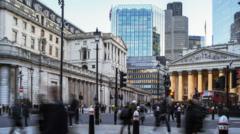
Most analysts expected the increase from 3.75% to 4%.Most analysts expected the increase from 3.75% to 4%.
 Image source, Getty Images
Interest rates have risen for the first time in more than three years and the Bank of England has signalled a further increase is likely unless the US-Iran war is resolved.
Rates rose to 4% from 3.75% in a bid to curb inflation mainly driven by the conflict’s impact on oil prices.
Andrew Bailey, the Bank’s governor, said the decision “shouldn’t be seen as the first in an inevitable long sequence of hikes”, but warned “unless the conflict in the Middle East is resolved, neither does it seem likely to be the last increase”.
The higher level will increase the cost of borrowing for things such as mortgages, loans and credit cards, but will also lead to higher returns on savings.
The Bank’s rate-setting committee all backed increasing interest rates, with eight out of nine voting in favour of the rise to 4%. One member wanted an even bigger increase to 4.25%.
Bailey said the rate hike was warranted due to higher energy prices, but stressed it was not the start of a series of rate rises.
The governor pointed to what happens in the Middle East as the main factor in future decisions.
“Put simply, it requires real progress towards settling the conflict in the Middle East,” he said.
Bailey said he could “see the argument” for a further rate hike, before taking a “more conditional approach, dependent on the evidence on energy prices and inflation dynamics”.
However, members of the rate-setting committee offered different views on the path forward.
Clare Lombardelli agreed there was “likely to be a case for a further increase in rates in the near term”, but Megan Greene said any decision would depend on how inflation impacts wages, prices and the jobs market.
Alan Taylor said the rate rise was a “a risk-management ‘one-for-now’ insurance hike”.

Inflation is well below its peak of a few years ago but has been heading back up and is expected to go higher.
It was 3.5% in the year to September 2026, up from 3.1% the previous month and well above the central bank’s 2% target.
The ongoing impact of the Iran war, primarily on the cost of energy and fuel, has filtered through to the UK inflation rate. Millions of domestic energy customers are braced for a hefty rise in energy bills in January.
The Bank now expects inflation to peak at 4.9% in the middle of next year, higher than it originally estimated, and not return to its target of 2% until 2028.
In what it called an “adverse scenario”, where the US-Iran war could escalate further and send oil and gas prices much higher, inflation could reach 6.2% in 2027, it suggested.
While the UK cannot control global energy prices, the Bank is raising rates in order to limit the knock-on effects of high energy prices resulting in inflation going up across the board.
The Bank of England last raised rates in August 2023.
Its base rate is what it charges other banks and building societies to borrow money, which influences what they charge their own customers for mortgages as well as the interest rate they pay on savings.
Higher fuel prices can lead to businesses passing on higher costs to customers.
So far there was “limited evidence” this had happened for goods, such as food, with some firms absorbing cost increases and accepting lower margins, the Bank found.
The hike on Thursday will see 510,000 tracker mortgage-holders see a £31 monthly jump in repayments, according to banking trade body UK Finance.
Homeowners on fixed deals will see no change, though future products may be affected. How people on variable deals will be impacted depending on how their lender reacts. Typically a 0.25pp rise means a £14 increase per month in repayments.
-
Three ways the interest rate rise could affect you
-
27 minutes ago
-

Get in touch
Do you have a mortgage, a credit card, a car finance agreement? How are interest rates affecting you?
Related topics