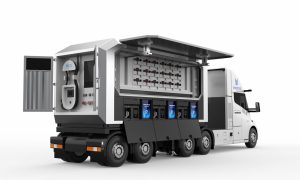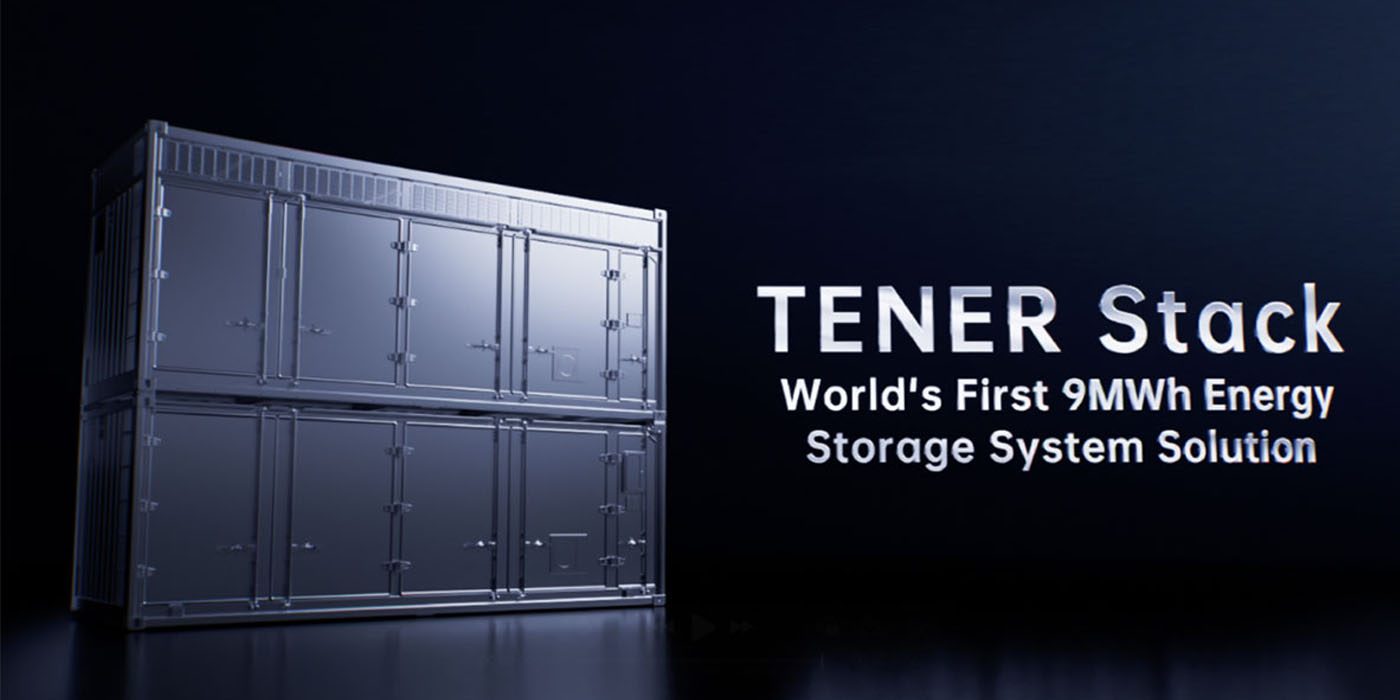
CATL has signed a memorandum of understanding with Dutch energy company Alfen to deploy 5 GWh of its Tener Sodium energy storage systems across Europe, one of the largest sodium-ion commitments the region has seen.
The batteries are rated for 15,000 cycles and a 25-to-30-year service life — the pitch that sodium-ion’s longevity, not its energy density, is what wins grid storage.CATL has signed a memorandum of understanding with Dutch energy company Alfen to deploy 5 GWh of its Tener Sodium energy storage systems across Europe, one of the largest sodium-ion commitments the region has seen.
The batteries are rated for 15,000 cycles and a 25-to-30-year service life — the pitch that sodium-ion’s longevity, not its energy density, is what wins grid storage.
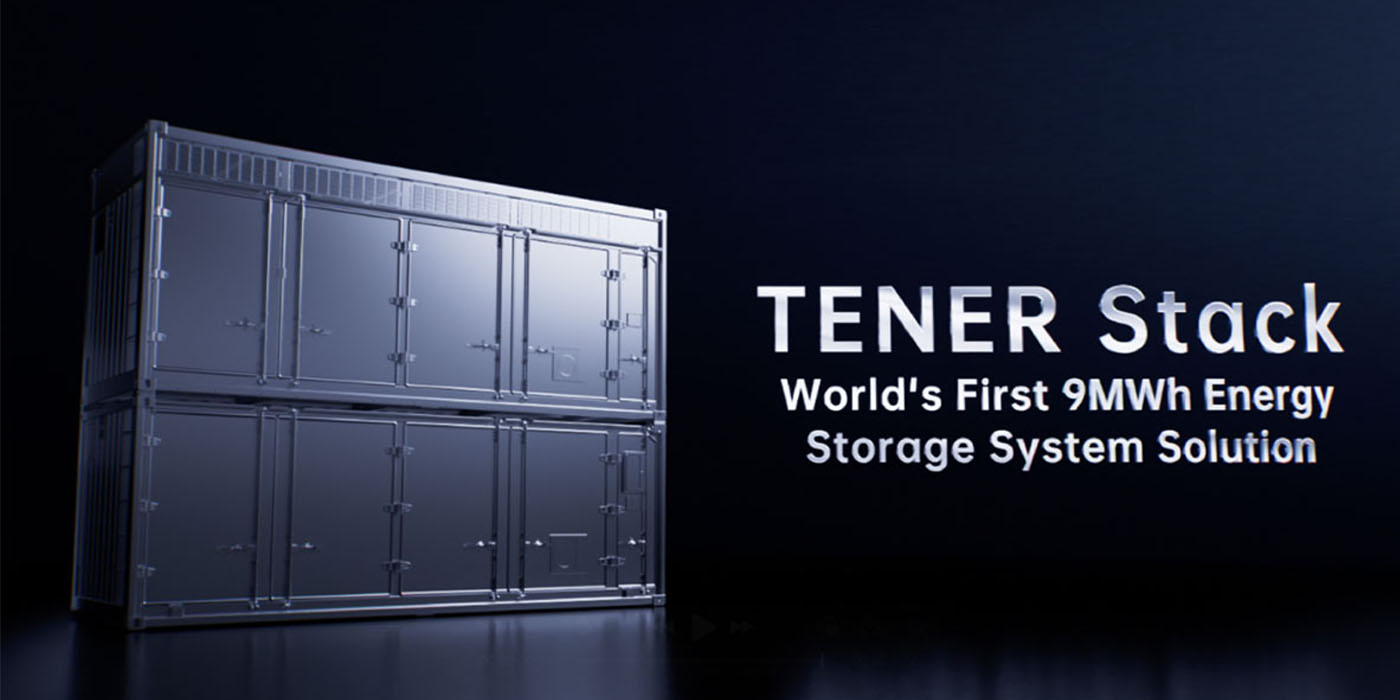
CATL has signed a memorandum of understanding with Dutch energy company Alfen to deploy 5 GWh of its Tener Sodium energy storage systems across Europe, one of the largest sodium-ion commitments the region has seen.
The batteries are rated for 15,000 cycles and a 25-to-30-year service life — the pitch that sodium-ion’s longevity, not its energy density, is what wins grid storage.
The world’s largest battery maker announced the partnership on Wednesday. Deployments are scheduled to begin in 2027, using the Tener Sodium platform CATL launched in Munich on June 22.
Alfen isn’t a new name in European storage. The company has been building battery energy storage systems since 2011 and has more than 1 GWh installed across the continent, including some of the Netherlands’ largest projects. It has bought lithium-ion cells from CATL since 2023.
Advertisement – scroll for more content
Now it’s adding sodium to the mix. “Sodium-ion is the next step in how we think about energy storage — more diversified, resilient, and built for where the market is heading,” said Alfen CEO Michael Colijn.
The commercial logic is about supply, not just chemistry. Sodium is roughly 1,000 times more abundant than lithium and far cheaper to source, and it insulates buyers from the lithium price swings that whipsawed the storage industry over the past three years. Alfen said the move is meant to “optimise cost structures” and improve “resilience against lithium price volatility.”
CATL is selling Tener Sodium on lifespan and durability rather than raw capacity, and the spec sheet is built around that argument.
The system is rated for 15,000 cycles, which CATL translates to a 25-to-30-year service life at a 70% state-of-health threshold. For comparison, most lithium iron phosphate (LFP) storage systems are warrantied in the range of a few thousand to roughly 10,000 cycles.
The temperature performance is the other half of the case. Using what CATL calls dipole wide-temperature technology, Tener Sodium retains over 92% of its capacity at -20°C and supports more than 10,000 cycles at 45°C — without the added insulation or active cooling that lithium systems typically need in extreme climates. Stripping out that thermal management hardware is where a chunk of the cost savings come from.
CATL also claims a bidirectional voltage-control power conversion system that holds output at 690V and improves round-trip efficiency by nearly 2%, plus a self-consumption rate cut to 1%, half the industry average. On safety, the company cites a 40% reduction in cell expansion force, 35% less gas generation, and a thermal runaway surface temperature around 200°C — far higher than conventional lithium cells.
The Alfen deal is the latest in a run of sodium-ion storage orders that has accelerated sharply in 2026.
In April, CATL signed a 60 GWh sodium-ion supply agreement with integrator HyperStrong — the largest sodium order ever placed — and declared the chemistry “mainstream-ready.” In the US, Peak Energy shipped the country’s first grid-scale sodium-ion battery last year, and GM has since backed Peak Energy’s sodium platform as it looks past lithium. ESS, Natron, and California utilities have all placed sodium bets of their own.
The through-line is that grid storage doesn’t need the energy density that makes lithium indispensable in cars. It needs cycle life, safety, wide-temperature tolerance, and low cost — exactly the boxes sodium is now checking.
“With their superior safety performance and lifecycle sustainability advantages, sodium-ion batteries will deliver unique value to European customers,” said Tan Libin, CATL’s chief customer officer.
For years, sodium-ion was the “someday” chemistry — cheaper and safer in theory, but too low on energy density to matter. Now, it has improved enough that it is gradually making its way into EVs, but what changed is also the recognition that stationary storage was never the application that cared about energy density in the first place.
That’s why the 15,000-cycle number is the headline here, not the 5 GWh. A battery that can cycle daily for 25 to 30 years and hold 92% of its capacity at -20°C without a chiller changes the levelized-cost math for grid storage in a way that incremental lithium improvements don’t. Add in sodium’s abundance and immunity to lithium price spikes, and you have a genuinely better fit for the job than the LFP that currently dominates the sector.
I can see sodium batteries taking over the energy storage industry within the next decade.
Grid-scale storage is what keeps renewable power flowing after dark — and the same logic applies at home. With electricity rates climbing nearly 10% last year, home solar protects you against future rate increases. And with lease and PPA options, you can go solar with zero upfront cost and start saving immediately. If you want to find the best deal, check out EnergySage. It’s a free service with hundreds of pre-vetted installers competing for your business, so you save 20 to 30% compared to going it alone. No sales calls until you pick an installer. Get your free quotes here.